Last quarter, a two-operatory practice in suburban Ohio watched their website traffic drop 22% — even though their Google rankings hadn't budged. The culprit wasn't a penalty or a broken page. It was a shift that's hitting every dental practice in the country: zero-click search.
Sixty percent of all Google searches now end without a single click to any website, according to 2026 data from The Digital Bloom and Search Engine Land. On mobile, that number reaches 77%. Google's AI Overviews — those summarized answer boxes at the top of search results — now appear on roughly one in five queries, and that share doubled year-over-year.
For dental practices that depend on "dentist near me" and "best dentist for veneers" searches to fill the schedule, the implication is stark: the old SEO playbook of ranking on page one and waiting for clicks is no longer enough. Patients are getting their answers without ever visiting your site.
But zero-click isn't a death sentence. Practices that adapt are actually seeing higher-quality patient inquiries — because early data suggests AI-sourced recommendations convert at several times the rate of traditional search clicks. The key is making sure AI is recommending your practice. Here is how.
Before You Start
This guide assumes you already have:
- A claimed and verified Google Business Profile (GBP). If you haven't done this, stop here — it's step zero.
- A working practice website with individual pages for your core services (implants, Invisalign, emergency, etc.).
- Basic analytics access — Google Search Console and Google Analytics, or your marketing vendor's dashboard.
If any of those are missing, handle them first. Everything below builds on that foundation.
Step 1: Treat Your Google Business Profile as Your New Homepage
In a zero-click world, your GBP is often the only thing a prospective patient sees before calling or moving on. Google's own data shows that complete profiles receive seven times more clicks than incomplete ones.
Actions to take this week:
- Fill every GBP field: services (with descriptions), business hours, insurance accepted, appointment links, and accessibility attributes.
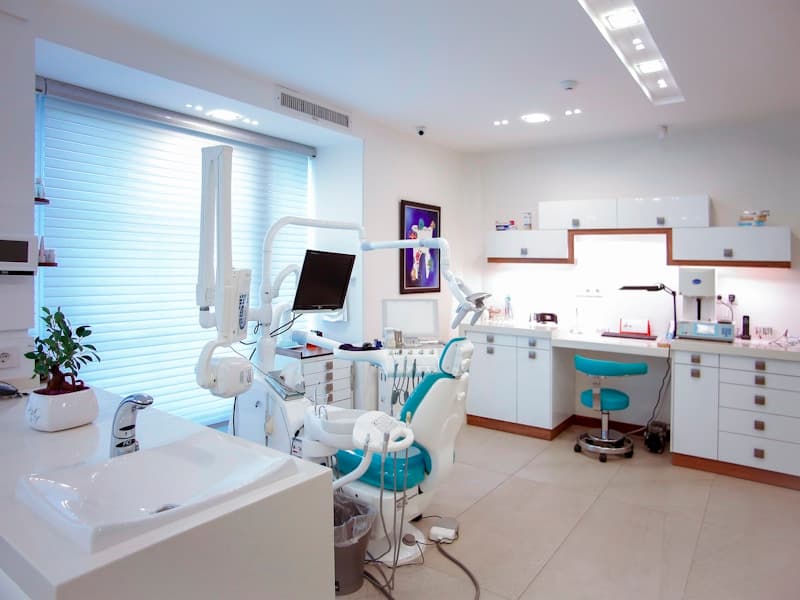
- Upload 10+ high-quality photos — your team, your operatories, your waiting area. Google's AI now analyzes image content and matches it to patient queries.
- Post a GBP update at least twice a month. Each post is a fresh signal that tells Google (and its AI) you're active.
- Enable messaging and Q&A. Answer every question — these feed directly into AI Overviews.
Step 2: Build Answer-Ready Content for AI Overviews
AI Overviews pull from websites that answer patient questions in clear, structured formats. Eighty-eight percent of AI summaries cite three or more sources — so even if you're not the top-ranked page, you can still be cited.
The content that wins in AI search isn't the 500-word keyword-stuffed blog post. It's the page that directly answers the question a patient is asking.
Actions to take:
- Create (or update) FAQ sections on every service page. Each question should match how patients actually search: "How much do veneers cost?" "Is Invisalign painful?" "How long do dental implants last?"
- Structure answers with headers, bullet points, and short paragraphs — the format AI engines parse most easily.
- Add schema markup (FAQ schema, LocalBusiness schema, Dental procedure schema) so search engines can extract your content programmatically. If you're not technical, tools like DoctorLogic handle this automatically.
- Publish treatment comparison content: "Invisalign vs. braces," "crown vs. veneer," "bridge vs. implant." Comparison queries are among the most likely to trigger AI Overviews.
Step 3: Diversify Your Content Surfaces
Here is the shift most practices are missing: AI engines don't just crawl your website. They pull from your Google reviews, social media posts, YouTube videos, directory listings, and even Reddit threads.
Since mid-2025, public Instagram content from professional accounts has been indexed by Google Search. Practices posting consistently across platforms are creating more data points for AI to reference — and some saw dramatic ranking improvements almost overnight.
Actions to take:
- Post to Instagram or Facebook 3-4 times per week. That's 12-16 pieces of searchable content per month vs. zero for practices that don't post.
- Create short-form video (Reels, Shorts, TikTok) answering the same patient questions from Step 2. Video results now appear in a significant share of mobile search results, up substantially over the past several years.
- Claim and complete listings on health-specific directories: Healthgrades, Zocdoc, WebMD, and dental-specific platforms.
- Respond to every Google review. Review responses are indexed content — and they signal engagement to AI algorithms.