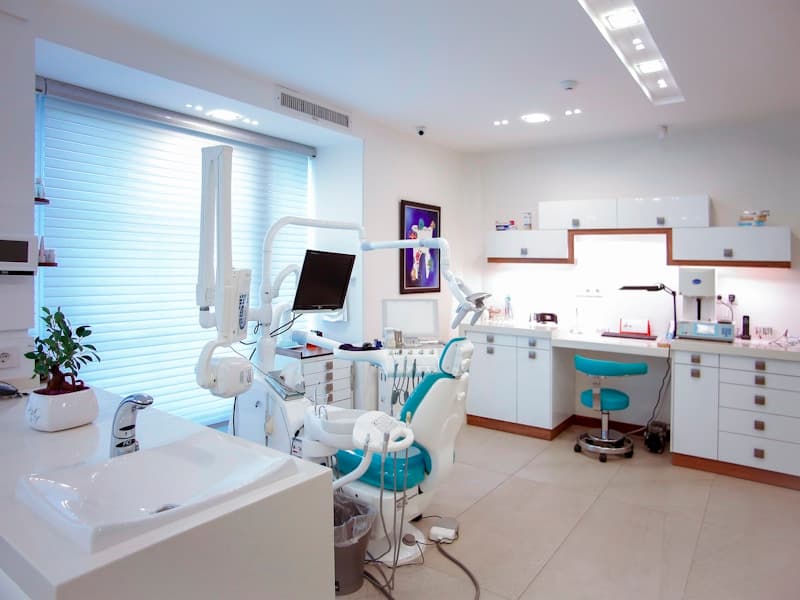
Look at your hygiene schedule three weeks out. If you see gaps, you are not looking at a marketing problem. You are looking at a recall problem. Those open columns represent patients who were already in your chair, already diagnosed, already loyal enough to come once, and then slipped through the cracks because nobody had a system to bring them back.
This is the quiet leak in most dental practices. It is the same silent drain as a high no-show rate, just harder to spot. The average practice returns only 55 to 65 percent of patients due for their next cleaning, which means a third or more of already-earned hygiene production walks out the door every year. Top practices run 85 percent and higher. The gap between those two numbers is almost never talent or location. It is process. Here is how to build the process.
Before You Start
A recall system is only as good as the data and roles underneath it. Get these three things in place first:
- Clean patient data. Every active patient needs an accurate recall due date, a working mobile number, and a preferred contact channel. If your "due" dates are wrong, every automated message that fires afterward is wrong too. Budget an afternoon to scrub the list before you automate anything.
- A defined recall interval. Decide, as a clinical team, what "due" means for each patient type: standard six-month prophy, three- or four-month periodontal maintenance, and any custom intervals. The software cannot sort patients into the right cadence if the practice has never agreed on the cadence.
- Named roles. Recall dies when it belongs to "everyone." Assign one person to own the daily overdue list and one to own pre-booking at checkout. Write it into their job description, not a sticky note.
If your front desk is already drowning, fix the workflow bottleneck first. Our guide on reducing front desk chaos pairs well with everything below, because a recall system layered on top of a chaotic front desk just creates more noise.
Step-by-Step Guide
1. Pre-book at the chair. The single highest-leverage move happens before the patient ever becomes "overdue." Train hygienists and front-desk staff to schedule the next visit at checkout, every time. This is your leading indicator: high-performing practices pre-book 85 to 95 percent of hygiene patients before they leave. A booked patient is not a recall problem yet.
2. Build the automated reminder ladder. For patients who are booked, layer reminders so appointments actually hold: a confirmation shortly after booking, a reminder roughly a week out, and a final nudge a day or two before. This is where a good communication platform earns its keep. If you have not set this up yet, start with our walkthrough on automating patient reminders without annoying people.
3. Work the recall list before patients go overdue. For patients who did not pre-book, begin outreach four to six weeks before their due date with a text and email offering specific open times. Send a second touch about two weeks out. On the due date, if they still have not booked, trigger a phone call from your coordinator. Text carries most of the weight here: SMS open rates sit near 90 percent versus roughly a third for email.
4. Escalate the overdue list daily. Assign someone to review the overdue report every morning. Two weeks past due, send a warmer, more personal message. At about six weeks past due, make one final direct attempt. If that fails, the patient moves off the active recall list and into reactivation. The key is that this is a routine, not a quarterly panic.
5. Run a real reactivation campaign. Patients who have not been in for a year or more need different treatment. This is not a scheduling reminder, it is a win-back. Use the 3-touch rule: three messages across at least two channels (text, then a second text, then a call) before you mark the patient as reactivation-complete. Lead with "we miss you" and the value of returning, not "you're overdue." Segment by how long they have been gone, because a patient six months lapsed and a patient three years lapsed are not the same conversation. Realistic conversion runs 8 to 15 percent for patients 12 to 18 months out, and 4 to 8 percent for those further gone. Those are still chairs you were otherwise never filling.
6. Close the loop with no-show defense. A full schedule that empties from no-shows is not full. Confirmation cadence and easy rescheduling protect the recall gains you just built. Our piece on cutting dental no-shows covers the tactics that keep confirmed patients in the chair.