A New AI Layer Lands Inside the CBCT You Already Own
On May 4, 2026, Dentsply Sirona announced Smart View - Detect, which the company says is the world's first FDA-cleared AI-enabled diagnostic aid built specifically to detect teeth with periapical radiolucencies (PARLs) in CBCT scans. It goes live in the United States and Europe on May 12, 2026.
This matters because PARLs are exactly the kind of finding that gets missed during a fast clinical day. They sit at the apex of a root, often small, often subtle, and they signal everything from chronic apical periodontitis to a failing endo. Catching them earlier changes the treatment plan and the conversation with the patient. If you already use a Dentsply Sirona CBCT — Orthophos S, Orthophos SL, or Axeos — this is a meaningful upgrade to a workflow you already trust. It's also the latest sign that dental AI diagnostics are moving from standalone apps into the imaging platforms practices already own.
What Happened
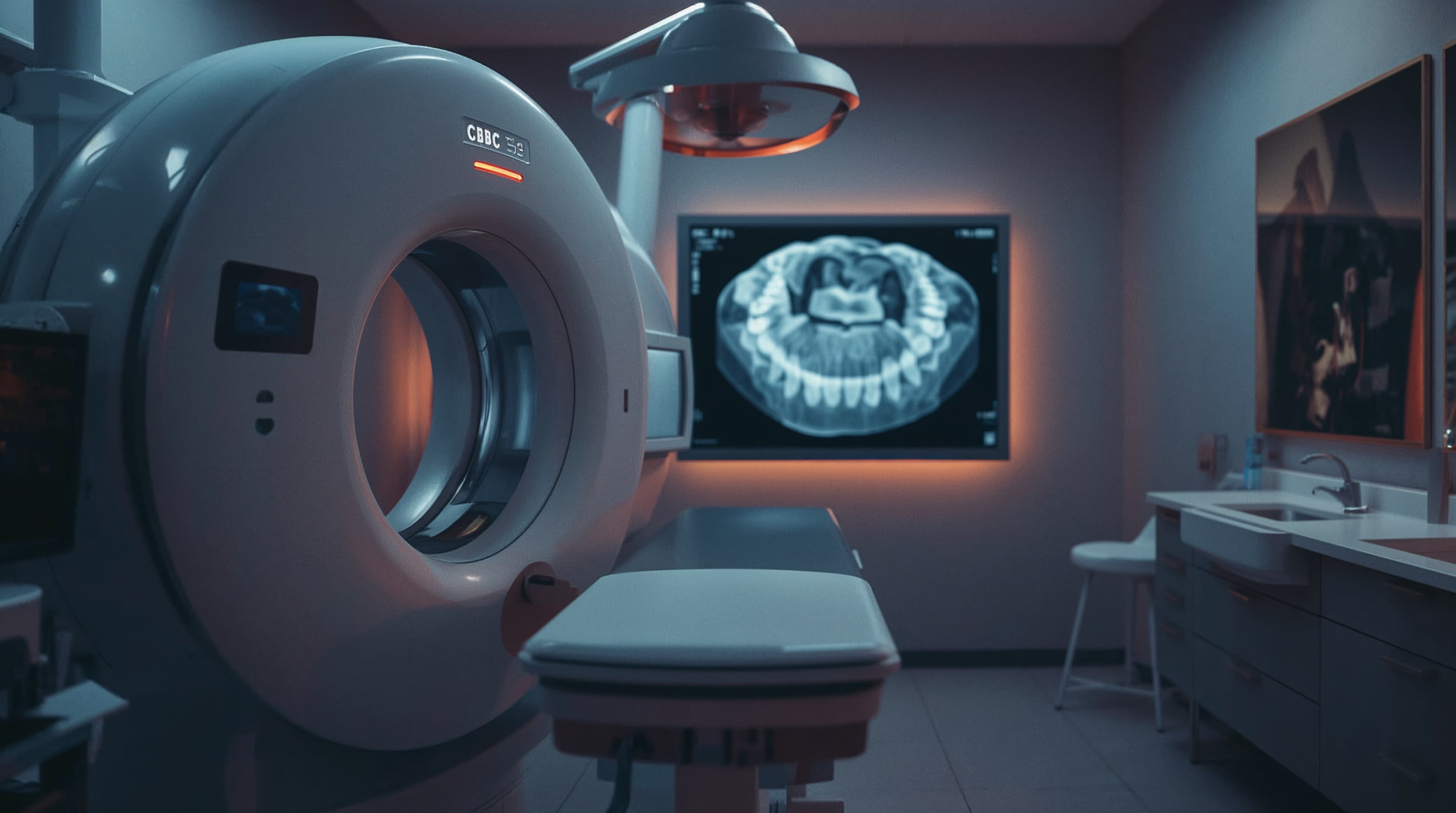
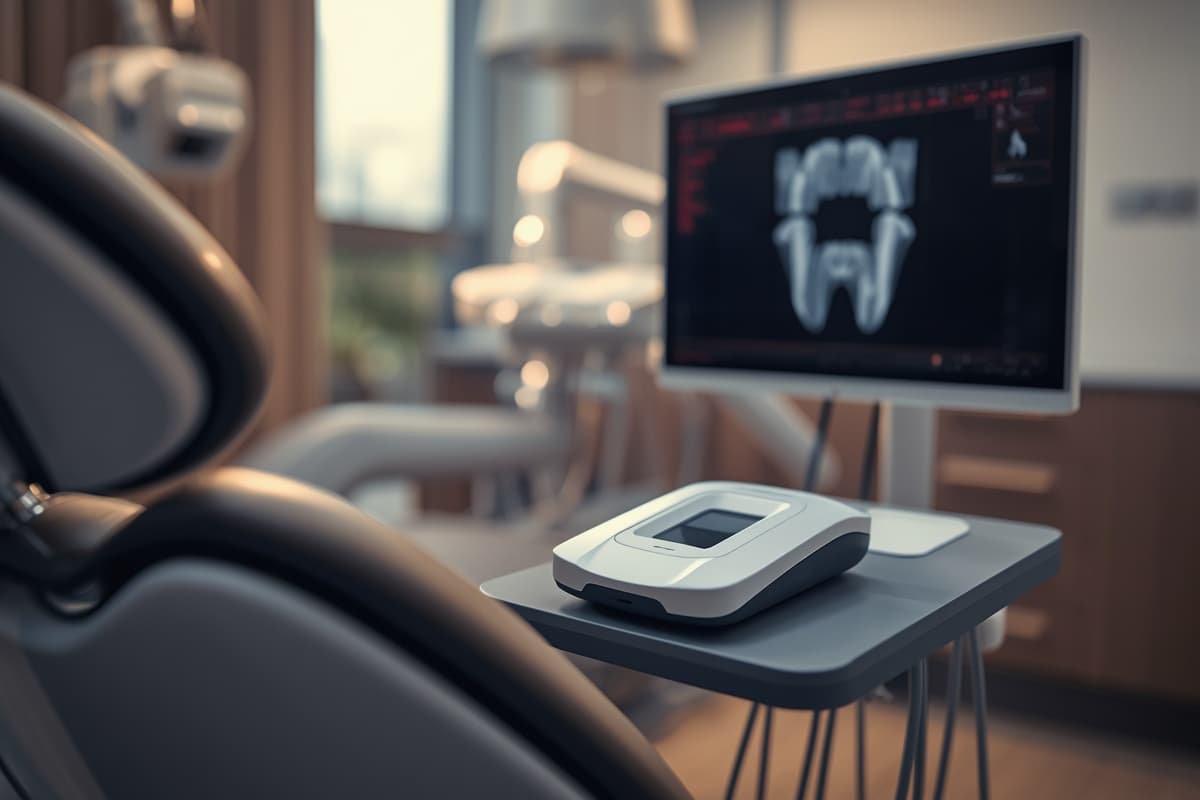
Dentsply Sirona received FDA 510(k) clearance and launched Smart View - Detect, an AI-assisted diagnostic aid that highlights specific areas within CBCT scans where potential PARLs may be present. The feature is delivered through DS Core, Dentsply Sirona's cloud platform, and works with both newly acquired CBCT scans and historical scans transferred from Sidexis 4 into DS Core. It supports fields of view from 5x5 up to 17x11.
Three details from the press release worth knowing:
- In an internal multi-reader, multi-case clinical study comparing AI-assisted versus unaided CBCT review, tooth-level PARL detection sensitivity rose by approximately 46% relative to unaided review, without a meaningful increase in false positives, according to Dentsply Sirona.
- Compatible with newly installed and existing Orthophos S, Orthophos SL, and Axeos systems — no new imaging hardware required.
- Requires a DS Core Standard or Advanced subscription. The feature also received CE approval in Europe.
This follows a string of recent FDA clearances reshaping dental imaging, including the first dental-dedicated MRI and 3Shape's Dx software for TRIOS scans.
Why It Matters for Your Practice
PARL detection is one of those tasks where AI is genuinely well-suited. CBCT volumes contain hundreds of slices, and reviewing every apex on every tooth is tedious work. Missed PARLs are a known source of clinical and medico-legal headaches — particularly on incidental findings outside the original reason for the scan.
There are three practical implications:
1. The clinical signal is meaningful. A 46% relative bump in sensitivity is the kind of delta that, if it holds up in real-world use, can change endo referral patterns, retreatment decisions, and how you communicate with patients about asymptomatic lesions. The "without meaningfully increasing false positives" claim is what makes it interesting — high-recall AI that floods you with phantom findings tends to get turned off within a month.
2. It's an upgrade for hardware you already own. This isn't a forklift purchase. Practices running Orthophos or Axeos systems can layer the AI in via DS Core without buying new equipment. That's a different value calculation than committing to a brand-new diagnostic vendor and a separate login.
3. It deepens the case for an integrated imaging stack. As more imaging vendors embed AI directly — see also 3Shape Dx in TRIOS scans — the practical advantage of one ecosystem over a patchwork of standalone tools grows. Fewer logins, fewer BAAs, fewer places PHI lives.
TMR Take: AI inside the CBCT is the right place for AI to live. The diagnostic accuracy claim is vendor-reported and based on an internal study, so treat it as a directional signal until peer-reviewed data lands. But the deployment model — flip a switch on hardware you already own, see findings in the workflow you already use — is the path of least resistance for AI adoption, and the one most likely to actually get used. If you own a Dentsply Sirona CBCT and a DS Core subscription, this is worth a serious look.
What to Do Now
A few concrete next steps for practice owners and clinical leaders:
- Confirm your CBCT model and DS Core tier. Smart View - Detect runs on Orthophos S, Orthophos SL, and Axeos units, and requires DS Core Standard or Advanced. If you're on the basic tier, ask your rep what an upgrade actually costs and what else it unlocks.
- Ask for the activation date and the trial terms. The feature is live as of May 12, 2026. Get clarity on whether your existing subscription includes it, whether there's an introductory window, and what the steady-state pricing looks like.
- Plan the clinical workflow change. Decide who reviews AI-flagged findings (associate, owner, endodontist on referral), how those findings get documented, and how you communicate them to patients. AI flags without a workflow get ignored; AI flags with a workflow change outcomes.
- Update your BAA and AI documentation. Under the new HIPAA Security Rules, AI tools touching PHI need a current Business Associate Agreement and a documented risk assessment. DS Core is a covered service, but make sure your paperwork is current.
- Don't stack five AI tools at once. If you already use a 2D radiograph AI like Pearl or Overjet, layering in a CBCT-specific tool is additive, not redundant — but the team can only absorb so much change at once. Our guide on picking one dental AI tool this quarter walks through the sequencing.
The Bottom Line
Smart View - Detect is a narrow, well-scoped AI feature solving a real diagnostic problem inside an imaging system thousands of practices already own. The headline accuracy number is vendor-reported and worth verifying as independent data emerges, but the deployment model — embedded in DS Core, no new hardware — is the kind that actually gets used. If you're a Dentsply Sirona CBCT owner, ask your rep about access this month. If you're not, this is another data point that AI is becoming a default layer in dental imaging rather than a separate product category. For broader context on the imaging tools shaping 2026, see our roundup of the best dental imaging software.