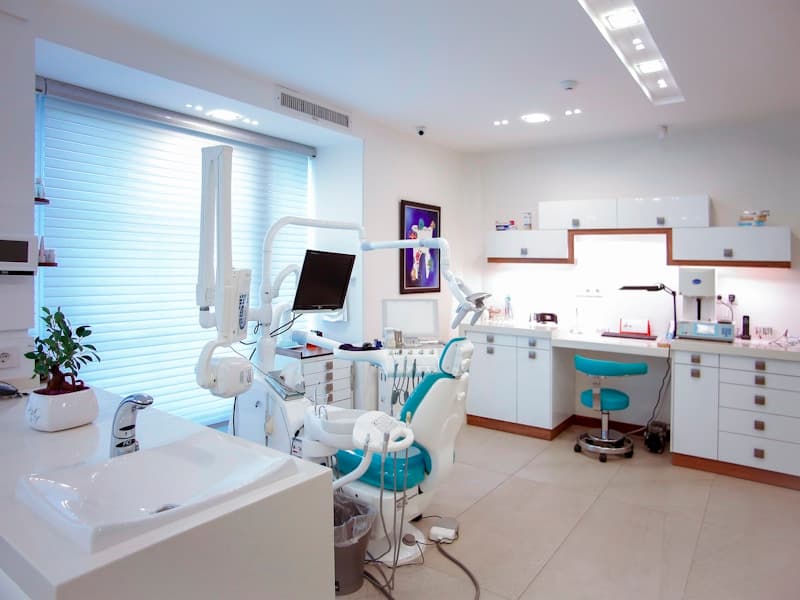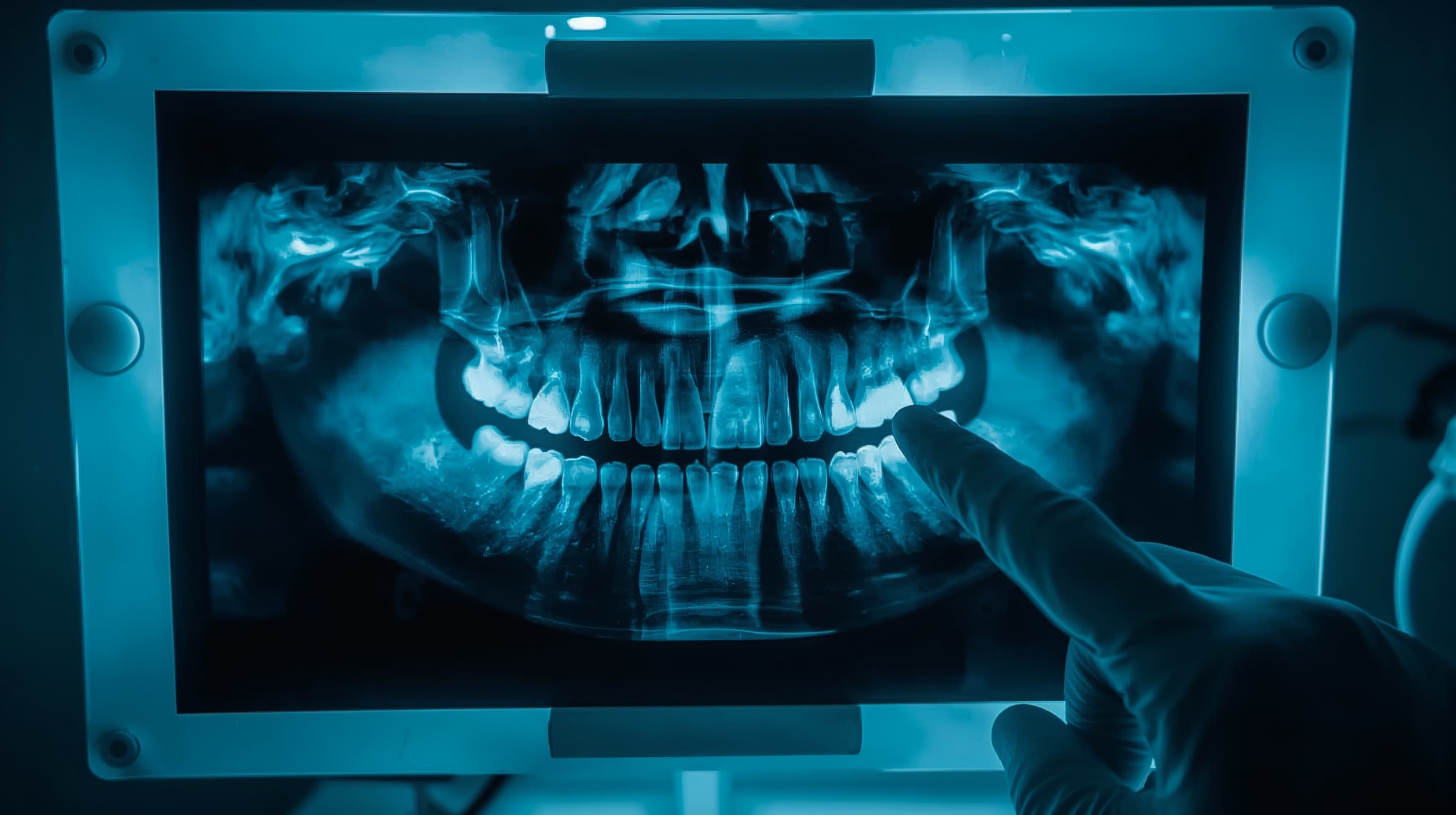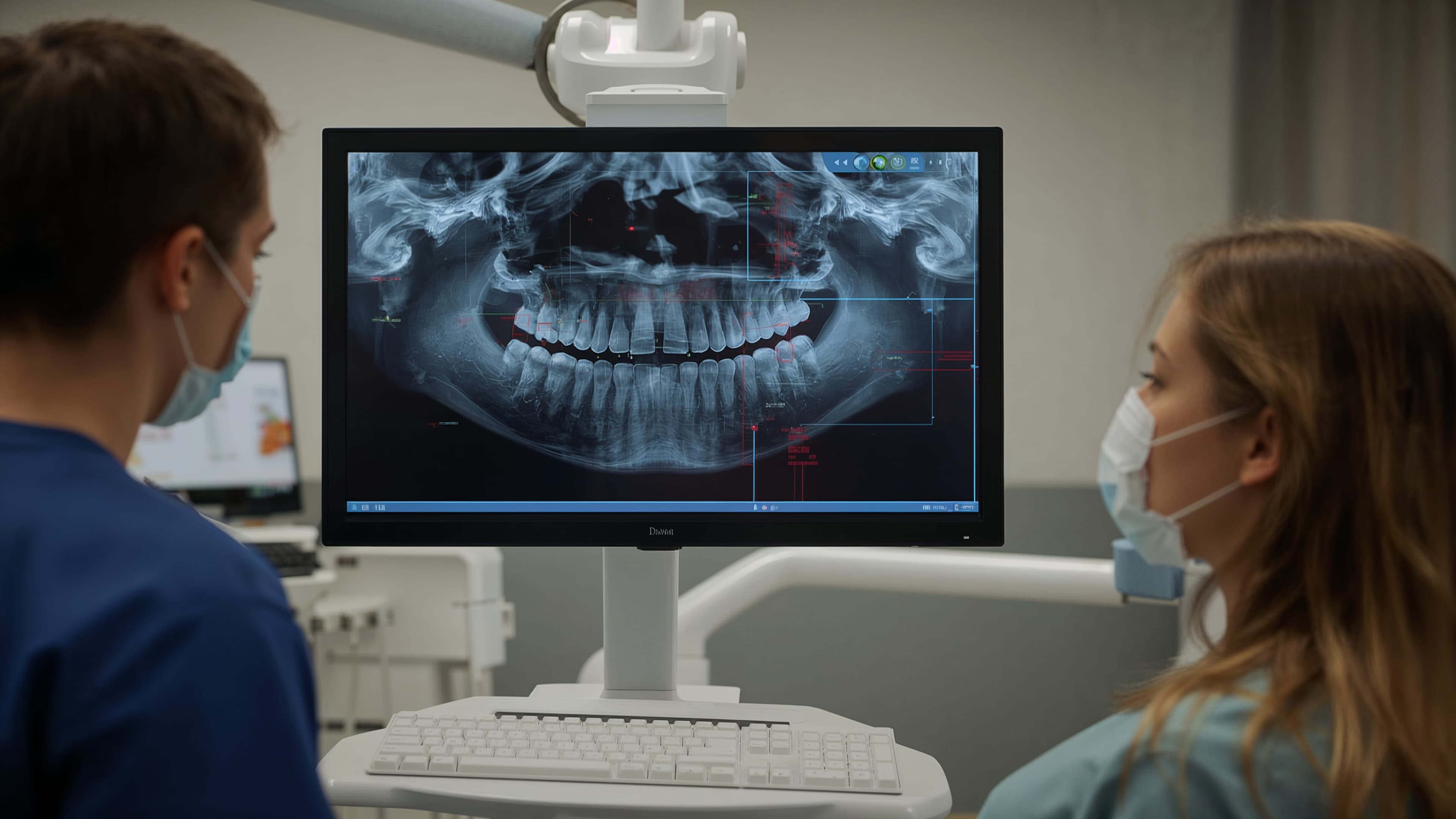
Dental AI diagnostics is software that uses deep learning to analyze dental radiographs, intraoral photos, and CBCT scans, then flags potential findings like caries, calculus, bone loss, and periapical pathology in real time. In practice, it acts as a tireless second set of eyes that overlays color-coded annotations on every image you capture, helping you catch early lesions and explain findings to patients with visual evidence instead of grayscale ambiguity.
The category has moved fast. As of 2025, the FDA has cleared at least 29 standalone dental AI imaging products from 13 different companies, with most clearances clustered between 2022 and 2025 (source). The global dental diagnostic AI market is sized in the mid-hundreds of millions in 2025 and projected to grow at a 20%+ CAGR through the early 2030s. If you have not evaluated one of these tools yet, you are now in the minority among technology-forward practices.
How Dental AI Diagnostics Actually Works
Under the hood, every major platform relies on convolutional neural networks (CNNs) trained on millions of expert-annotated dental images. The model learns to recognize the pixel-level patterns and density gradients that signal carious lesions, bone level changes, calculus deposits, and other pathology. Three things happen when you capture a radiograph in an AI-equipped operatory:
- The image is sent to the AI — either to a local module or a HIPAA-compliant cloud endpoint, depending on the vendor.
- The model runs inference in seconds — usually less than five — and returns structured findings with confidence scores.
- Annotations appear directly on the image — color overlays highlight suspect areas, and many platforms also output millimeter measurements for bone loss or lesion depth.
Most tools sit on top of your existing imaging software (DEXIS, Carestream, Apteryx, etc.) rather than replacing it. You keep your sensors, your PMS, and your workflow — the AI is an interpretation layer that runs in parallel.
What Dental AI Diagnostics Can Detect Today
FDA-cleared platforms now cover a meaningful share of routine diagnostic findings. Common indications include:
- Caries detection on bitewing and periapical radiographs, including early enamel and incipient lesions
- Bone level measurement for periodontal staging, with millimeter quantification
- Calculus detection above and below the gumline
- Periapical radiolucencies suggestive of endodontic pathology
- Restoration and crown analysis, including margin and overhang detection
- Automated dental charting that numbers teeth and tags existing restorations
- CBCT segmentation for implant, ortho, and oral surgery planning (a smaller set of vendors)
Peer-reviewed studies consistently show modern systems achieving 90%+ accuracy on caries detection, with sensitivity and specificity often matching or exceeding unaided clinicians (NIH meta-analysis, 2025). One large multi-site study of Pearl's Second Opinion reported diagnostic accuracy improving from 82% to 98% when clinicians used AI assistance.
Why Practices Are Adopting It
The clinical case is straightforward — AI catches things human eyes miss, especially under time pressure and especially in early-stage lesions on contact areas, root surfaces, or under existing restorations. But the real momentum comes from how AI changes patient conversations.
When a patient sees a color-coded overlay on their own X-ray, the abstract becomes concrete. Vendors and early adopters consistently report a 10-20% lift in case acceptance, particularly during hygiene visits where prevention conversations historically struggle. Practices using Pearl report meaningful additional monthly production and 20+ hours of weekly time savings, according to vendor case data.
A few other benefits show up across the literature:
- Diagnostic consistency across providers and locations — useful for DSOs trying to standardize care
- Faster image review during exams, freeing time for patient communication
- Stronger documentation for insurance claims, with annotated overlays attached to submissions
- Earlier intervention, which generally means more conservative, lower-cost treatment