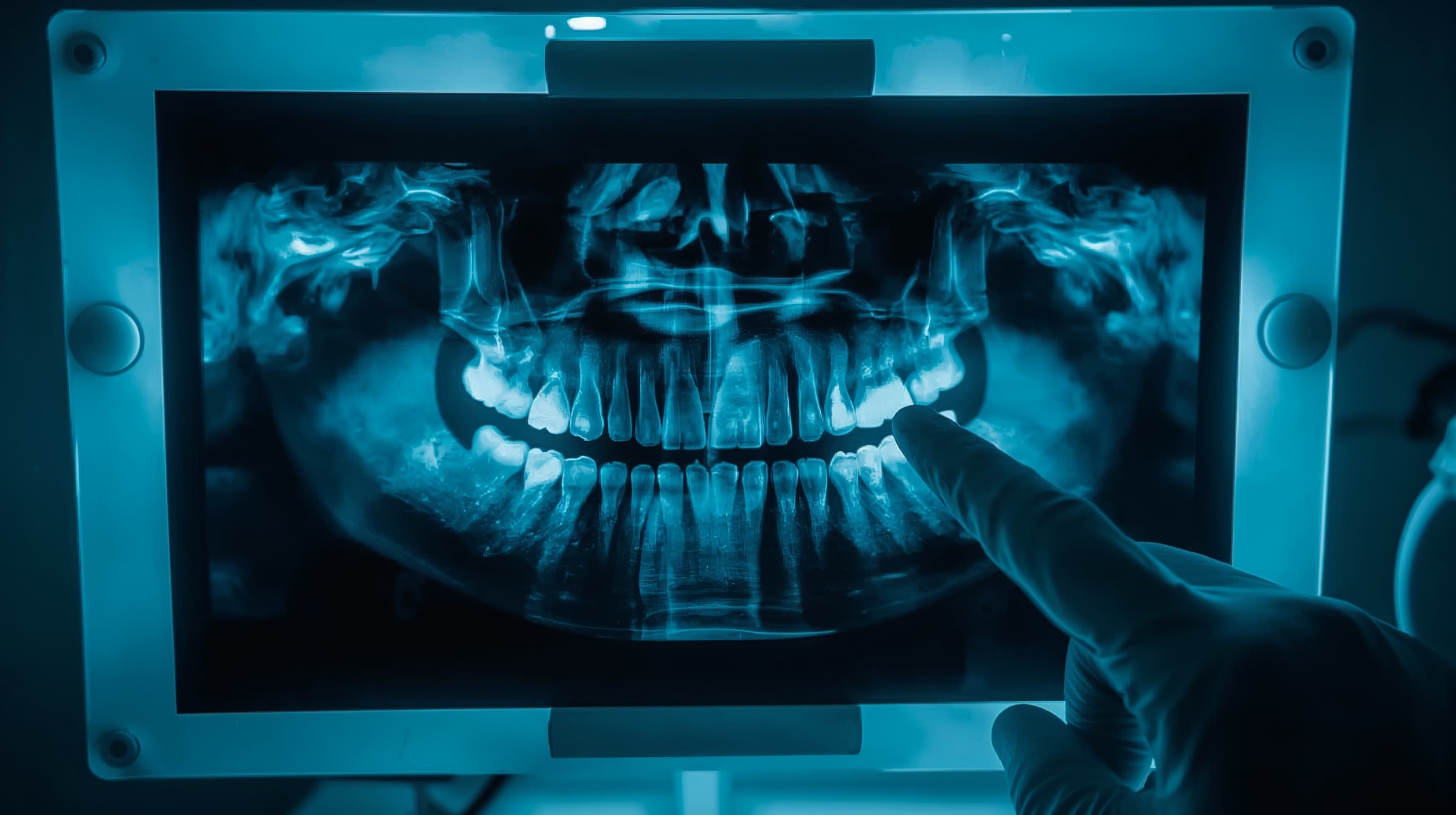
For decades, dental imaging meant one thing: radiation. Intraoral X-rays, panoramic films, and CBCT scans all rely on ionizing radiation to produce images. That changed in March 2026 when the FDA cleared the first dental-dedicated MRI system, opening a new chapter in how clinicians visualize soft tissue without exposing patients to a single X-ray.
What Happened
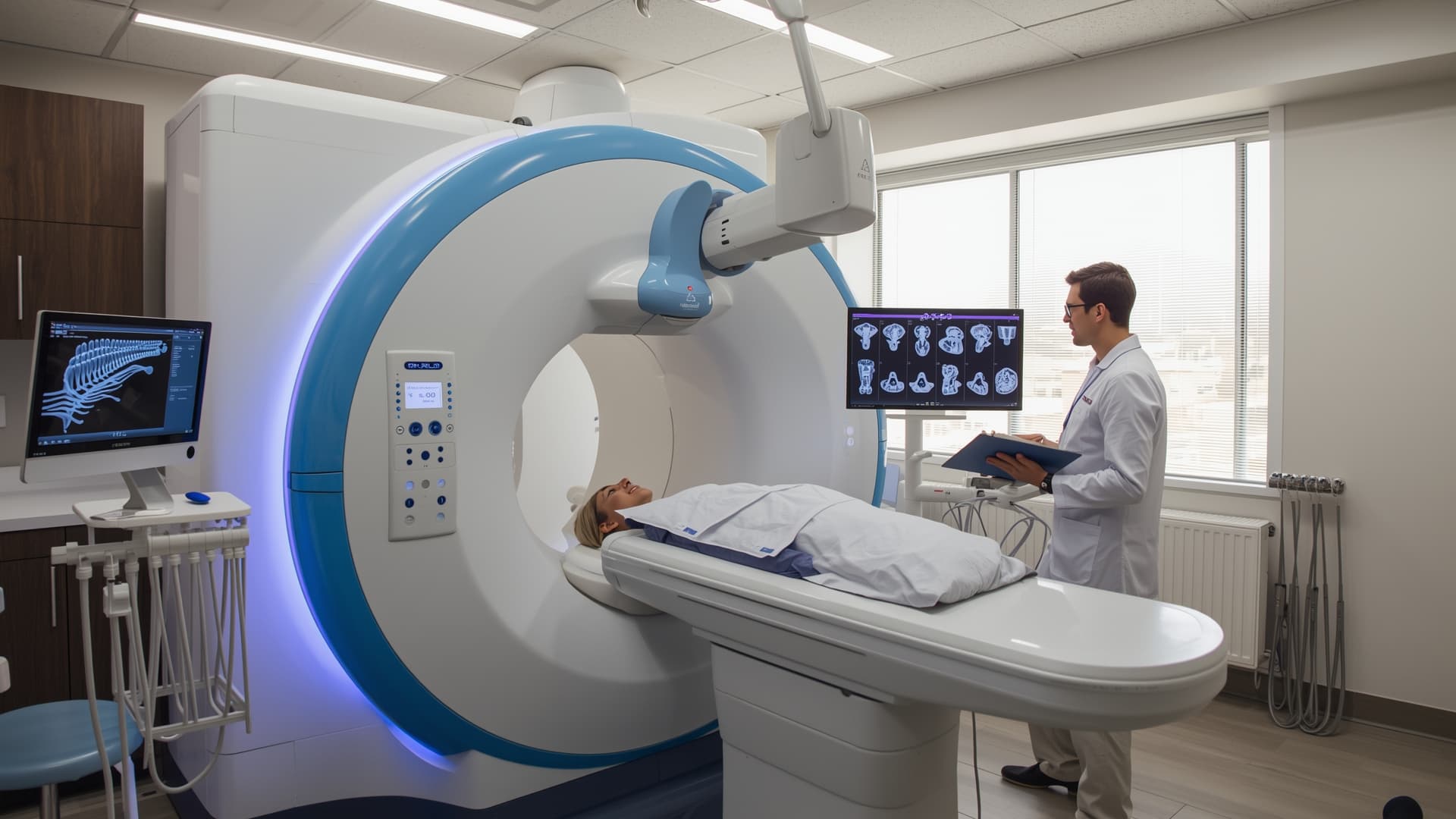
Dentsply Sirona and Siemens Healthineers announced on March 9, 2026, that their jointly developed MAGNETOM Free.Max Dental Edition received FDA clearance in the United States. The system is the first MRI built specifically for dentomaxillofacial diagnostics.
The clearance followed a clinical trial that validated the system across five dental specialties: endodontics, periodontics, TMJ assessment, tooth extraction planning, and orthodontics. Key clinical findings from the trial include:
- Inflammation detection: The system can differentiate active inflammation from healthy tissue and scar tissue.
- Pulp vitality assessment: Non-invasive imaging of tooth pulp to complement chairside vitality testing.
- Tooth-nerve visualization: Imaging of teeth and their spatial relationship to neighboring teeth and nearby nerves.
The device uses a dedicated dental coil and specialized software to focus on dentomaxillofacial structures without imaging brain tissue. Average workflow time, including patient setup, comes in under 20 minutes.
Why It Matters for Your Practice
The dental imaging market is projected to exceed $4 billion by 2030, and AI-driven diagnostic tools are already reshaping how practices interpret scans. Dental-dedicated MRI adds an entirely new imaging modality to the mix, and it addresses a real clinical gap.
Soft-tissue contrast without radiation. CBCT gives you excellent bone and hard-tissue detail, but soft-tissue visualization has always been its limitation. MRI excels exactly where CBCT has natural limitations. For endodontic cases where you need to assess pulp health, or periodontal cases where you need to distinguish active inflammation from fibrosis, dental MRI provides information that was previously difficult to obtain.
Complementary, not a replacement. Dentsply Sirona and Siemens Healthineers have been clear: this technology is designed to work alongside intraoral, panoramic, and CBCT imaging. It fills diagnostic gaps in cases where soft-tissue characterization is critical. Your existing imaging workflow does not become obsolete.
Initial target audience is institutional. The MAGNETOM Free.Max Dental Edition is primarily intended for hospitals, large dental clinics, and universities. If you run a solo or small group practice, this is not something you will be purchasing next quarter. But referral pathways to institutions with dental MRI capability could soon become part of your treatment-planning toolkit, similar to how practices currently refer out for medical CT or MRI when needed.
Training is already underway. Dentsply Sirona showcased the system at the ADEA Annual Session in Montreal (March 21-24, 2026), and a hands-on clinician training program launched in April 2026 at the University of Minnesota covering imaging protocols, clinical procedures, and image interpretation.