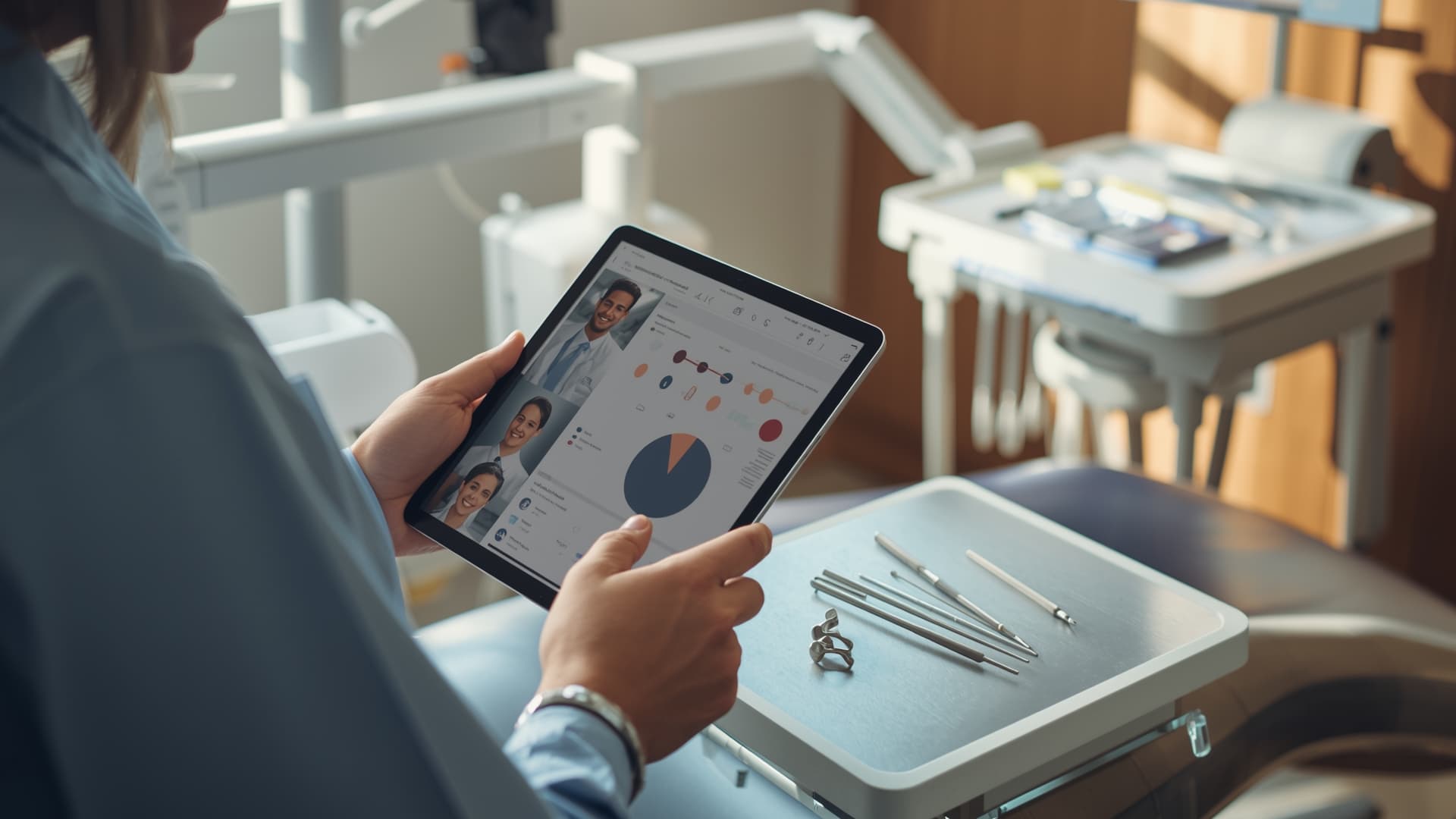
Medical-dental integration (MDI) is the coordinated delivery of oral health and primary medical care so the two sides of the same patient finally talk to each other. In practice, it means dental and medical teams share data, screen for each other's conditions, refer warm, and sometimes bill across the historical wall between the dental and medical benefit.
For most of the last century, dentistry has operated as a parallel healthcare system with its own schools, software, claims rails, and insurance plans. That separation is breaking down — and faster than most practices realize.
Why Medical-Dental Integration Matters Now
The mouth is connected to the body. That sounds obvious, but the billing codes, training pipelines, and software stacks built around dentistry have spent decades pretending otherwise. Three forces are changing that in 2026:
- Evidence keeps piling up. Periodontal disease is associated with worse outcomes in diabetes, cardiovascular disease, adverse pregnancy outcomes, and Alzheimer's. Payers have noticed. Several large medical plans now cover enhanced dental benefits for diabetic and pregnant members because the math works.
- Value-based care is pulling dentistry in. Accountable care organizations and Medicare Advantage plans are increasingly measured on total cost of care. When a dental visit can prevent a $20,000 hospital admission, integrated networks want dentists at the table.
- The technology finally exists. FHIR-based interoperability, shared problem lists, and modern cloud practice management systems make data exchange between a dental office and a primary care clinic technically feasible — not easy, but feasible.
What Medical-Dental Integration Actually Looks Like
MDI is a spectrum, not a single product. A practice can start small and grow into deeper integration over time.
- Information sharing. The dental team pulls a current medication list, problem list, and recent labs (especially A1c and INR) from the patient's primary care record before treatment. The dental visit summary flows back the other way.
- Bidirectional referrals. When a hygienist sees uncontrolled periodontal disease in a patient with no recent A1c, they refer to primary care. When a physician sees a diabetic patient with no dental home, they refer to a dentist.
- Co-located or embedded care. Some federally qualified health centers (FQHCs) and large group practices put dental operatories inside the primary care clinic. The patient walks twenty feet, not twenty miles.
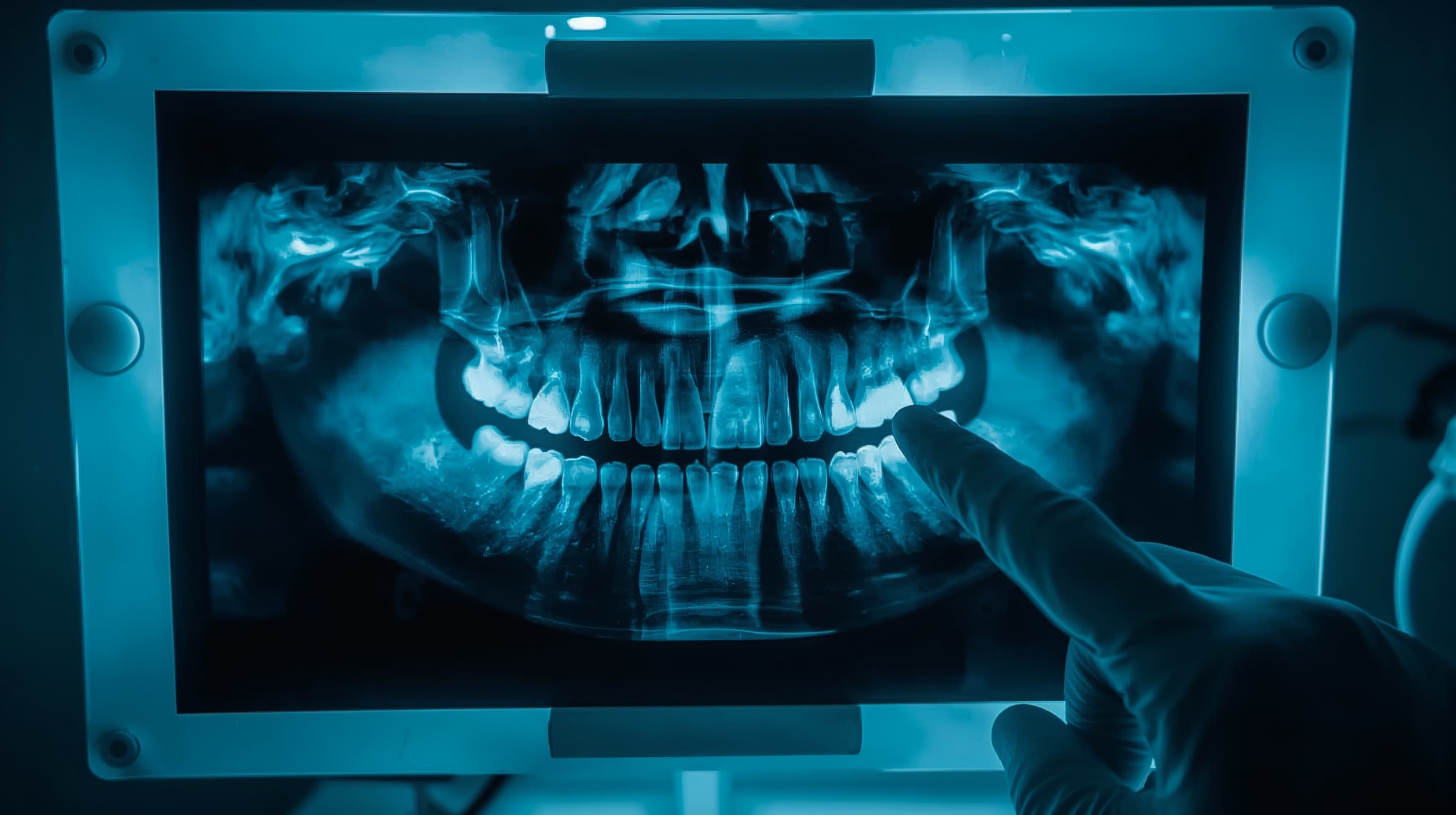
- In-office medical screening. Dental teams screen for hypertension, diabetes risk, sleep apnea, and HPV-related oral cancer — then refer for diagnosis. The chair is one of the few places healthy adults show up regularly.
- Integrated billing. Some preventive services delivered in a dental office (HbA1c point-of-care testing, blood pressure screening, vaccine administration in some states) can be billed through the medical benefit. This is the hardest piece and the one most practices put off.
The Oral-Systemic Connections Driving It
Four conditions get most of the attention, because the evidence is strongest and the dollar impact is clearest:
- Diabetes. Periodontal treatment is associated with modest A1c reductions in patients with type 2 diabetes. Several Medicaid and Medicare Advantage plans now offer expanded periodontal coverage for diabetic members.
- Cardiovascular disease. The association between periodontal disease and cardiovascular events is well-established, even if causation is still debated.
- Pregnancy. Untreated periodontal disease has been associated with preterm birth and low birth weight. Many state Medicaid programs cover prenatal dental care specifically because of this link.
- Cognitive decline. Emerging research connects oral bacteria — especially P. gingivalis — to Alzheimer's pathology. The science is early but the attention is real.
Who Is Medical-Dental Integration Best For?
MDI isn't a fit for every practice on day one. It tends to make the most sense for:
- Group practices and DSOs with the staffing and IT capacity to manage cross-system workflows
- Practices with high diabetic, pregnant, or pediatric patient populations where the clinical case is strongest
- Federally qualified health centers and community health systems that already operate medical and dental under one roof
- Practices in value-based contracts where shared savings or quality bonuses reward total-cost-of-care improvements
- Cloud-first practices with modern PMS infrastructure that can talk to outside systems — see our cloud vs on-premise breakdown for why this matters
A small fee-for-service practice with a paper chart and a fax machine can still participate — through warm referrals and basic screening — but the deeper integration models require modern infrastructure.
The Technology Layer
This is where things get messy. Dental and medical systems were built in different decades, by different vendors, around different standards. The bridge is being built piece by piece:
- FHIR APIs are the emerging standard for healthcare data exchange. A handful of dental PMS vendors now support FHIR endpoints for problem lists, medications, and allergies.
- Epic's Wisdom dental module is the most visible example of a single platform spanning medical and dental. The first dental school to deploy full Epic shows where things are headed — see our writeup on the first dental school to deploy Epic EHR.
- Health information exchanges (HIEs) in many states now accept dental data, though dental participation is still uneven.
- Cloud-based dental PMS platforms are far better positioned for integration than older server-based systems. Our cloud-based dental software guide ranks the leaders.
The honest truth: the technology is workable but not turnkey. Most practices doing real MDI today have either a custom integration, an enterprise platform, or a tolerant IT team.
Pricing at a Glance
There's no single price tag on medical-dental integration — it's an operating model, not a product. The cost depends on which pieces a practice adopts:
- Warm referrals and basic screening: Mostly staff time and a few paid screening tools.
- Bidirectional data sharing: Requires PMS upgrades, possible interface fees, and HIE membership in some states.
- Co-located or embedded care: Significant facility and staffing investment, generally only viable for groups, DSOs, and FQHCs.
- Medical billing for in-office services: A modest investment in billing training and credentialing, with meaningful upside if patient volume supports it.
Practices already running modern, cloud-based PMS platforms have a much shorter path. Ones running older systems should factor integration readiness into their next software decision.
What to Do Now
If you're a practice owner or office manager curious about where to start, three moves cost almost nothing:
- Build a referral relationship with two or three local primary care practices. Trade warm handoffs for diabetic, pregnant, and pediatric patients.
- Add basic vitals and medical history review to every hygiene visit. Blood pressure, current medications, last A1c. Document and act on it.
- Ask your PMS vendor what they support for outside data exchange. If the answer is "nothing," put that on your evaluation list for your next software decision.
The Bottom Line
Medical-dental integration isn't a fad and it isn't a product you buy. It's the slow, overdue rebuilding of healthcare around the patient instead of around two parallel benefit systems. Practices that get a head start — even a small one — will be better positioned as payers, employers, and health systems keep pulling dentistry into the broader care model.
If you're evaluating new practice management software with integration in mind, our cloud-based dental software guide is a good starting point, and the first dental school to deploy Epic is a useful look at where the industry is heading.