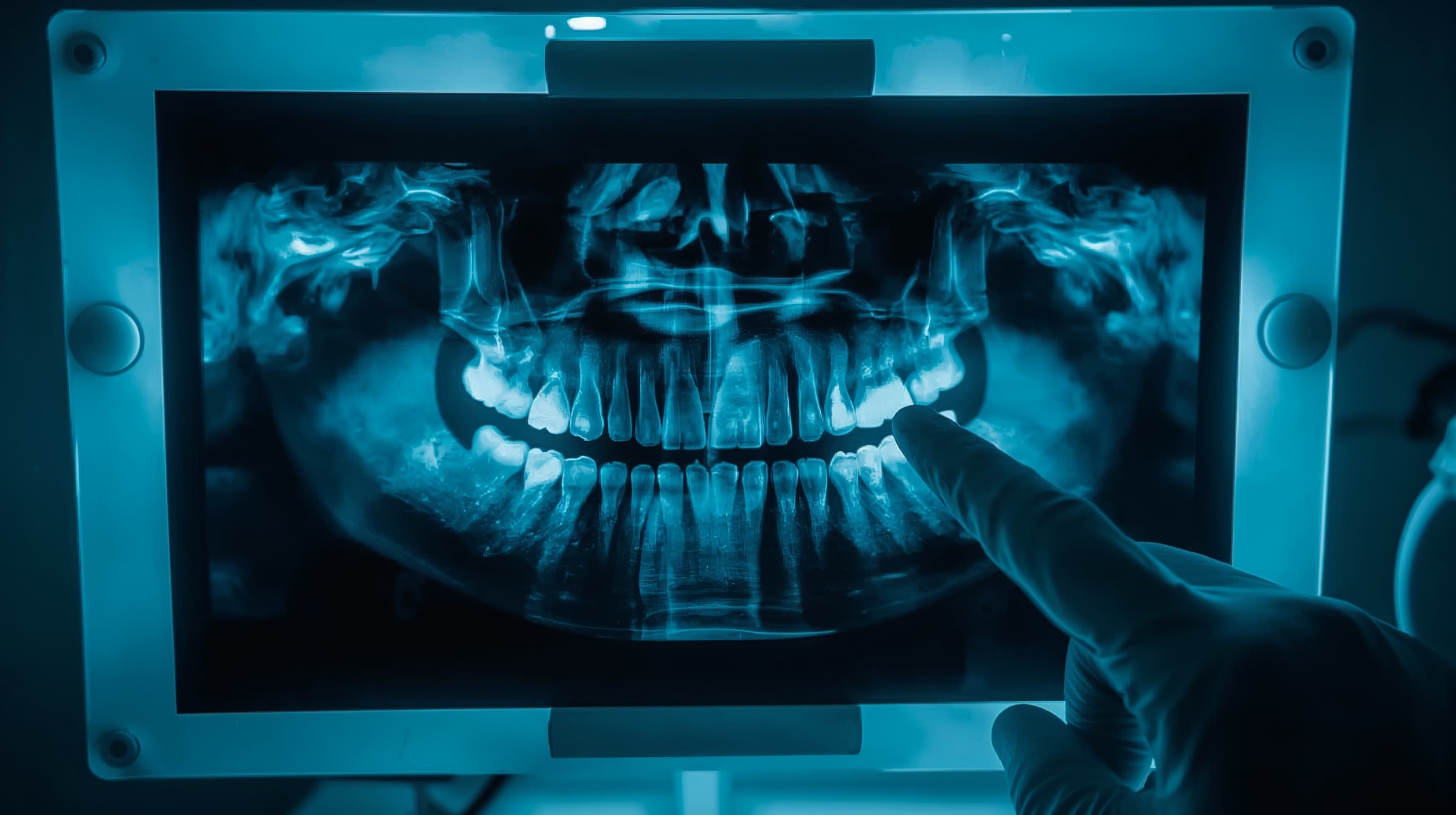
Dental practice valuation is the process of estimating what a dental practice is worth as a business — not just the chairs, X-ray sensors, and software, but the patient base, cash flow, and goodwill attached to the doors. It''s the number that matters when you sell, buy in as a partner, bring on an associate, plan retirement, or field a call from a DSO.
Most dentists only think about valuation when they''re ready to exit. By then, the levers that would have moved the number the most have already been set for years. This guide walks through how valuations actually work, what drives the number up or down, and why the same practice can be valued hundreds of thousands of dollars apart depending on who is doing the math.
Why Valuation Matters Earlier Than You Think
A practice valuation is the foundation of almost every transition decision a dentist will make:
- Selling to an associate or partner — sets the buy-in price and financing terms.
- Selling to another dentist — anchors the listing price and the lender''s loan amount.
- Selling to a DSO or IDSO — frames the EBITDA multiple negotiation and the equity rollover percentage.
- Bringing in a partner — determines the value of the percentage they''re purchasing.
- Estate, divorce, and tax planning — courts and the IRS need a defensible number.
- Banking and refinancing — practice loans and SBA financing depend on it.
Knowing your number five years before you sell gives you time to fix the things that depress it. Finding out the week of closing rarely ends well.
The Three Valuation Methods Dentists Encounter
There''s no single formula. Most professional valuators use a blend of the three approaches below, weighted by what kind of practice it is and who the likely buyer is.
1. Income-Based: Capitalization of Earnings and EBITDA Multiples
Income-based methods value the practice based on the cash it produces for an owner. This is the dominant approach today, especially for any practice large enough to attract DSO interest.
The core inputs are:
- Adjusted net income (sometimes called "owner''s discretionary earnings" or "seller''s discretionary earnings") — net profit plus the owner-dentist''s salary, perks, one-time expenses, and other add-backs that a new owner wouldn''t inherit.
- EBITDA — earnings before interest, taxes, depreciation, and amortization. DSOs almost always negotiate in EBITDA multiples.
- A capitalization rate or multiple — the figure applied to those earnings, derived from comparable transactions and the perceived risk of the practice.
For solo general practices selling dentist-to-dentist, valuations often land somewhere in the range of two-and-a-half to four times adjusted net income. For larger, profitable practices that DSOs want, EBITDA multiples can be meaningfully higher, especially if the practice has multiple providers, a strong hygiene engine, and runway for growth.
2. Market-Based: Percentage of Collections (the "Rule of Thumb")
The old rule of thumb is that a general practice is worth roughly 60–80% of its average annual collections. It''s simple, easy to explain to a retiring dentist over coffee, and almost always wrong on its own.
The reason it persists is that it''s a useful sanity check. The reason it''s dangerous is that two practices with identical collections can have wildly different profitability. A practice writing off heavy PPO adjustments and burning cash on overhead is not worth the same as a fee-for-service practice with the same top-line number.
Modern valuators use percentage-of-collections as a cross-check, not a primary method.
3. Asset-Based: What the Stuff Is Worth
The asset-based approach adds up the fair market value of the tangible assets — equipment, technology, supplies, leasehold improvements — plus an estimate for goodwill (the intangible value of the patient base and brand).
For a healthy, profitable practice, the asset approach almost always produces the lowest number, because it underweights the recurring cash flow. It''s most relevant for practices that aren''t profitable, are closing, or are being sold piecemeal.
What Actually Drives the Number
Two practices on the same street with the same collections can be valued half a million dollars apart. Here''s what moves the needle.
Profitability and overhead control. The single biggest lever. A practice running at 55% overhead is worth dramatically more than one running at 75%, even at identical revenue.
Hygiene production and recall. A strong hygiene department signals a healthy, recurring patient base. Buyers and DSOs look closely at hygiene as a percentage of total production and at the active patient count from the last 18 months.
Revenue mix and fee schedule. Fee-for-service and out-of-network practices generally command higher multiples than heavily PPO-dependent ones, because the revenue is less exposed to insurance write-offs.
Provider concentration. If 90% of production comes from the selling dentist, a buyer is essentially buying a job — and the goodwill is fragile. Practices with associates and multiple producers transfer more cleanly.
Lease and real estate. A long, assignable lease at a reasonable rate is a quiet value driver. A short lease or a landlord problem can quietly compress the offer.
Equipment and technology. Modern digital workflows — cone beam, intraoral scanners, digital sensors, a current practice management system — protect value. Heavily depreciated operatories drag it down.
Staff stability. A trained, tenured team that''s likely to stay through a transition is real, transferable value. Constant turnover is a discount.
Location and demographics. Population growth, household income, and the local competitive landscape all factor in. (This is exactly the kind of intel our free market intelligence tool was built to surface.)
Clean books. Three years of clear, reconciled financials make every other lever land. Sloppy books force a discount whether the practice deserves one or not.
How DSO Consolidation Changed the Math
For most of the last decade, the rise of DSOs and IDSOs has put upward pressure on valuations for practices large enough to be acquisition targets — especially multi-doctor offices and small groups with $1.5M+ in collections and healthy margins. DSOs typically negotiate on EBITDA multiples and structure deals with a mix of cash at close and rollover equity in the parent organization.
That dynamic isn''t uniform across the market. Smaller solo practices selling dentist-to-dentist still trade closer to traditional multiples, and recent moves like the Aspen Dental closures and broader DSO repositioning are a reminder that the consolidation story has real volatility underneath it. The takeaway for owners: the buyer pool for your practice — solo dentist, group, or DSO — has more impact on your final number than any single formula.
Pricing the Process Itself
A formal practice valuation from a qualified dental-specific appraiser or CPA generally falls into one of three tiers:
- Letter of opinion / informal valuation — fastest and least expensive, useful for early planning.
- Calculation of value — more rigorous, with documented methodology, suitable for most internal transitions.
- Full conclusion of value — the most defensible, used for litigation, IRS filings, and high-stakes sales.
Brokers will often provide a free valuation as part of pitching their listing services. That''s useful context but worth pairing with an independent opinion — a broker''s number is also a sales pitch.
Who Is Dental Practice Valuation For?
If any of the following are on your horizon in the next five years, you should already know your number:
- Selling your practice to a partner, associate, or outside buyer
- Considering a DSO offer
- Bringing in a partner or buying into a practice as an associate
- Retirement and succession planning
- Estate planning, divorce, or any major financial restructuring
- Refinancing practice debt
Even if none of those apply, an annual back-of-the-envelope valuation is one of the cleanest ways to measure whether your practice is actually building enterprise value year over year — or just paying you a salary.
The Bottom Line
Dental practice valuation isn''t one number — it''s a range that depends on method, buyer, and the dozens of operating details that shape risk and cash flow. The dentists who get the best outcomes treat valuation as a multi-year project, not a closing-week scramble. They run their practice in a way that would impress a buyer long before any buyer is in the room.
If a sale or transition is on your horizon, our guide on how to sell a dental practice without losing value walks through the prep work that protects your number. And if you''re evaluating the software stack a buyer will inherit — one of the levers you can still move — start with our reviews of the major dental practice management systems.