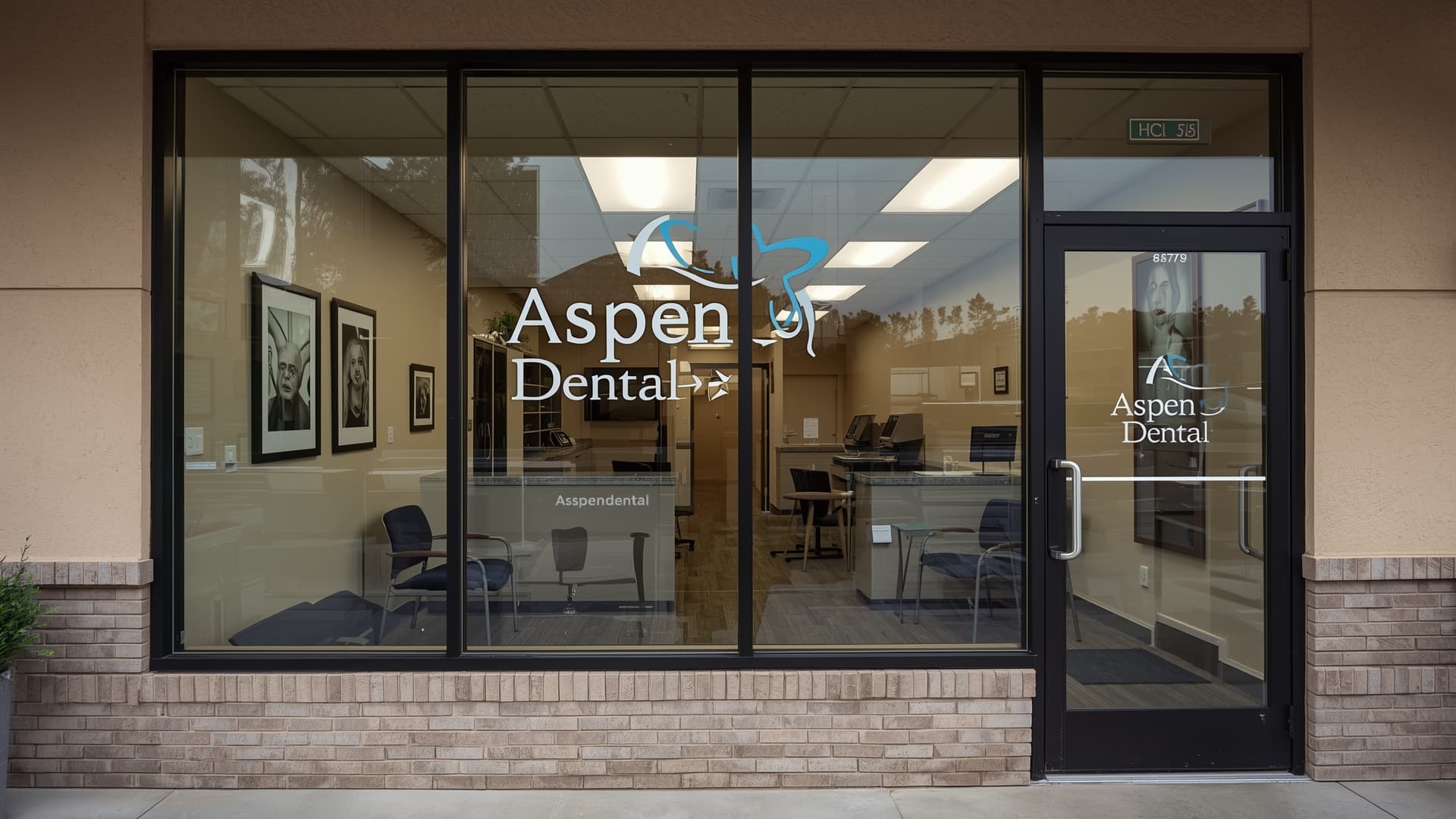
Aspen Dental, the largest branded dental support network in the US, recently closed offices in Illinois and Massachusetts. These are not dramatic collapses. They are strategic consolidations by a company supporting over 1,100 practices across 46 states. But for independent practice owners watching the DSO landscape shift around them, these moves carry a clear signal worth paying attention to.
What Happened
On March 31, 2026, Aspen Dental closed its Gloucester, Massachusetts location, consolidating services and staff to a Peabody office about 15 miles away. Days later, Becker's Dental Review reported that a second Aspen Dental office in Illinois would also close, with patients redirected to a nearby location. In both cases, practice owners cited local market conditions as the driving factor. Eligible staff received transfer or relocation support.
These closures come against a backdrop of continued growth for The Aspen Group (TAG), Aspen Dental's parent company. TAG reported $4.2 billion in annualized net revenue for the first half of 2025, an 8% year-over-year increase. Its portfolio, which also includes ClearChoice Dental Implant Centers and WellNow Urgent Care, supports over 5,300 clinicians serving more than 35,000 patients daily across roughly 1,400 locations.
So why close offices while revenue is climbing? Because this is what mature consolidation looks like: trimming underperforming locations to strengthen the overall network.
Why It Matters for Your Practice
The closures themselves are minor. The pattern they reflect is not. DSO consolidation is reshaping dentistry at a pace that accelerates every year.
The numbers tell the story. According to ADA data, 16.1% of US dentists were affiliated with a DSO in 2024, more than double the 7.2% rate in 2015. Over 25% of dentists within 10 years of graduation now work within DSO networks. As of mid-2025, roughly 130 private equity-backed DSOs operate across the US, and the sector recorded over 120 add-on acquisitions in 2024 alone.
The capital keeps flowing. The US DSO market was valued at approximately $155 billion in 2025, with projections estimating growth to over $300 billion by 2035. Private equity interest remains strong, with investors increasingly targeting specialty-focused networks in orthodontics, pediatric dentistry, and oral surgery alongside traditional general practice platforms.
Regulatory scrutiny is increasing. California and Pennsylvania have expanded attorney general authority to intervene when corporate ownership encroaches on clinical decision-making. Private equity firms are holding dental assets longer than expected, and some large DSOs have struggled to recapitalize amid economic uncertainty and rising debt costs.
What does this mean for independent practices? Three things:
-
DSOs are getting more selective. The era of acquiring every available practice is winding down. Buyers now prioritize practices with systematized operations, clean financials, and strong growth metrics. If you are thinking about a future exit, operational readiness matters more than ever.
-
Competitive pressure is not going away. DSOs negotiate better supply pricing, deploy AI tools at scale, run sophisticated marketing engines, and offer HR benefits that solo practices cannot easily match. The gap in operational efficiency between DSO-affiliated and independent practices continues to widen.
-
The opportunity for independents is differentiation. DSO consolidations create displaced patients looking for a new dental home. Practices that invest in patient relationships, community presence, and operational efficiency can absorb this demand.
TMR Take: Aspen Dental closing a couple of offices is not a sign of weakness. It is a sign of discipline. The bigger story is that DSO consolidation is entering a mature phase where operational efficiency matters more than raw expansion. Independent practices that treat this as a wake-up call rather than a spectator event will be the ones that thrive.