Sonrava Health just committed to Overjet AI across its entire 450+ practice network. It is the latest signal that dental AI has crossed from pilot project to operational standard.
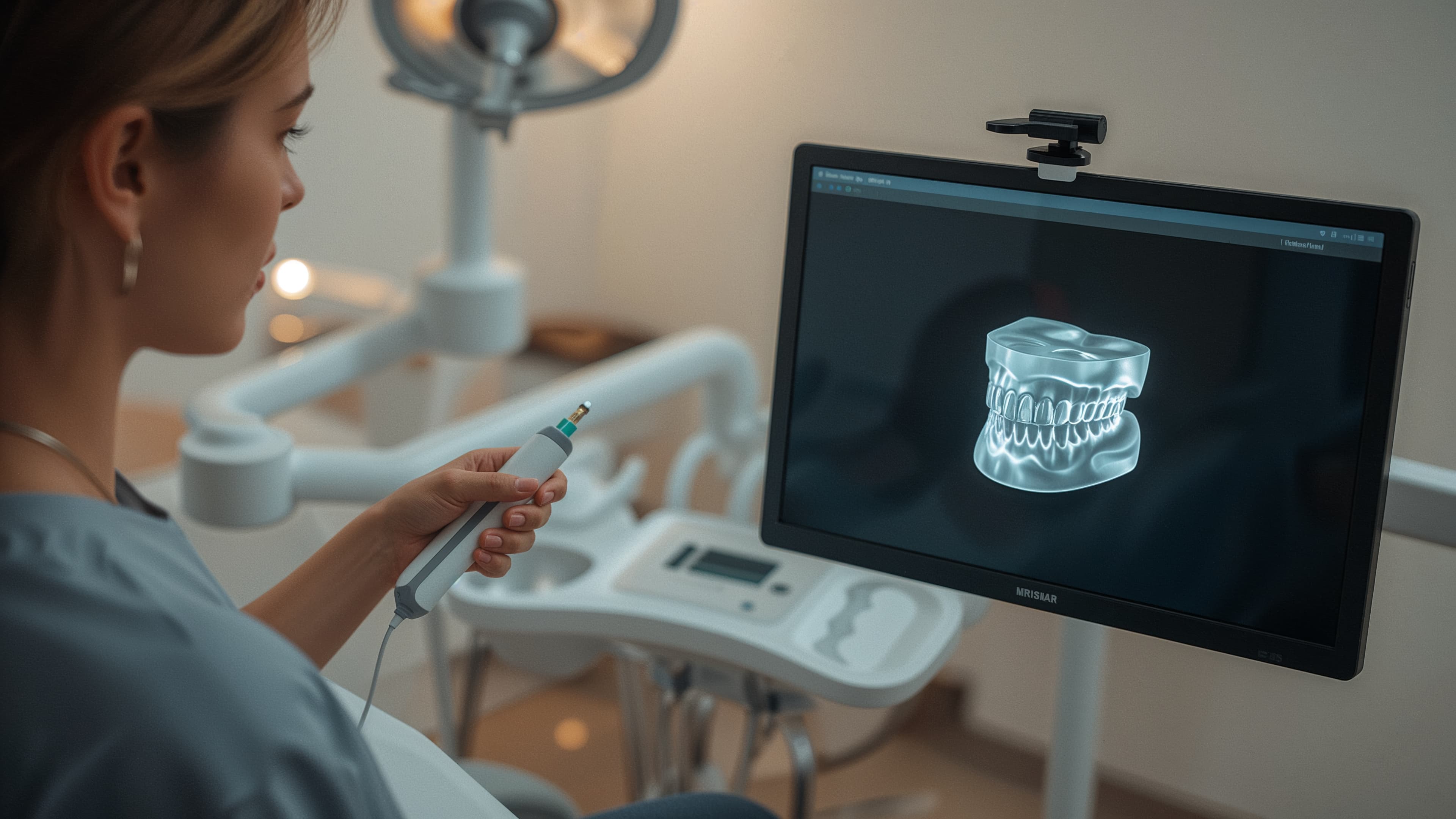
Orange, Calif.-based Sonrava Health, one of the largest dental support organizations in the U.S., announced it will integrate Overjet's FDA-cleared AI technology across all of its more than 450 dental practices. The deployment covers Overjet's vision AI for radiograph analysis, aimed at improving patient understanding through AI-powered visuals, streamlining administrative tasks, and standardizing clinical workflows across the network.
For practice owners watching from the sidelines, the message is getting harder to ignore: the largest DSOs in the country are making dental AI software a core part of their clinical infrastructure — not a nice-to-have add-on.
What Happened
Sonrava's deal with Overjet joins a wave of enterprise-scale dental AI deployments that have accelerated through late 2025 and into 2026:
- North American Dental Group rolled out Overjet Voice (ambient AI documentation) across all 216 locations in January 2026 — becoming the first enterprise DSO to deploy full-scale Voice AI.
- Aspen Dental deployed VideaHealth's Clinical Assist AI platform across its 1,100+ offices in just six weeks, reporting a 12% increase in same-day treatment acceptance during pilots.
- Heartland Dental, the largest DSO in the U.S. with 1,500+ locations, achieved 95%+ clinician adoption of VideaAI in 10 weeks.
- PDS Health and Coast Dental both selected Pearl as their AI imaging partner.
The pattern is clear. Eight of the top ten largest DSOs in North America have now implemented AI platforms, according to industry reporting. Overjet alone serves more than 2,500 clinics and partners with insurers covering over 100 million members.
Why It Matters for Your Practice
This is not just a DSO story. When organizations operating hundreds of locations standardize on AI-assisted diagnostics and documentation, it reshapes patient expectations and competitive dynamics for everyone.
Patient expectations are shifting. Practices using Overjet report a 27% increase in case acceptance when AI-powered visuals are used during treatment presentations. Patients who see color-coded decay and bone loss on their X-rays understand their conditions better — and 85% say they are more likely to accept recommended care. Once patients experience this at a DSO, they will expect it everywhere.
Staffing pressure meets automation. Overjet Voice eliminates an estimated 5+ hours per week of after-hours charting per provider. With the dental workforce shortage still acute — nearly 40% of private practices were actively recruiting assistants in early 2024 — AI-powered clinical tools that reduce documentation burden are becoming essential, not optional.
Insurance workflows are next. Overjet's platform already works with the majority of the ten largest U.S. dental insurers. As AI-generated clinical narratives become standard in DSO networks, insurers will increasingly expect structured, AI-supported documentation from all providers. Practices without these tools may face more friction in the claims and reimbursement process.
TMR Take: Sonrava's 450+ practice deployment is not the story — the story is that we are past the tipping point. When eight of the top ten DSOs run AI and the largest players are deploying across entire networks in weeks, dental AI is no longer emerging technology. It is table stakes for any practice that wants to compete on diagnostic quality, patient communication, and operational efficiency over the next three to five years.