Pearl just made its biggest move beyond diagnostics. On April 8, 2026, the dental AI company launched Pearl Voice, an ambient voice AI platform that listens to doctor-patient conversations and converts them into structured clinical notes, SOAP documentation, and periodontal charts — all in real time. For the 23,000-plus practices already using Pearl's diagnostic AI (read our full Pearl review), this is a natural next step. For everyone else, it signals that AI-powered clinical documentation has officially arrived in dentistry.
What Happened
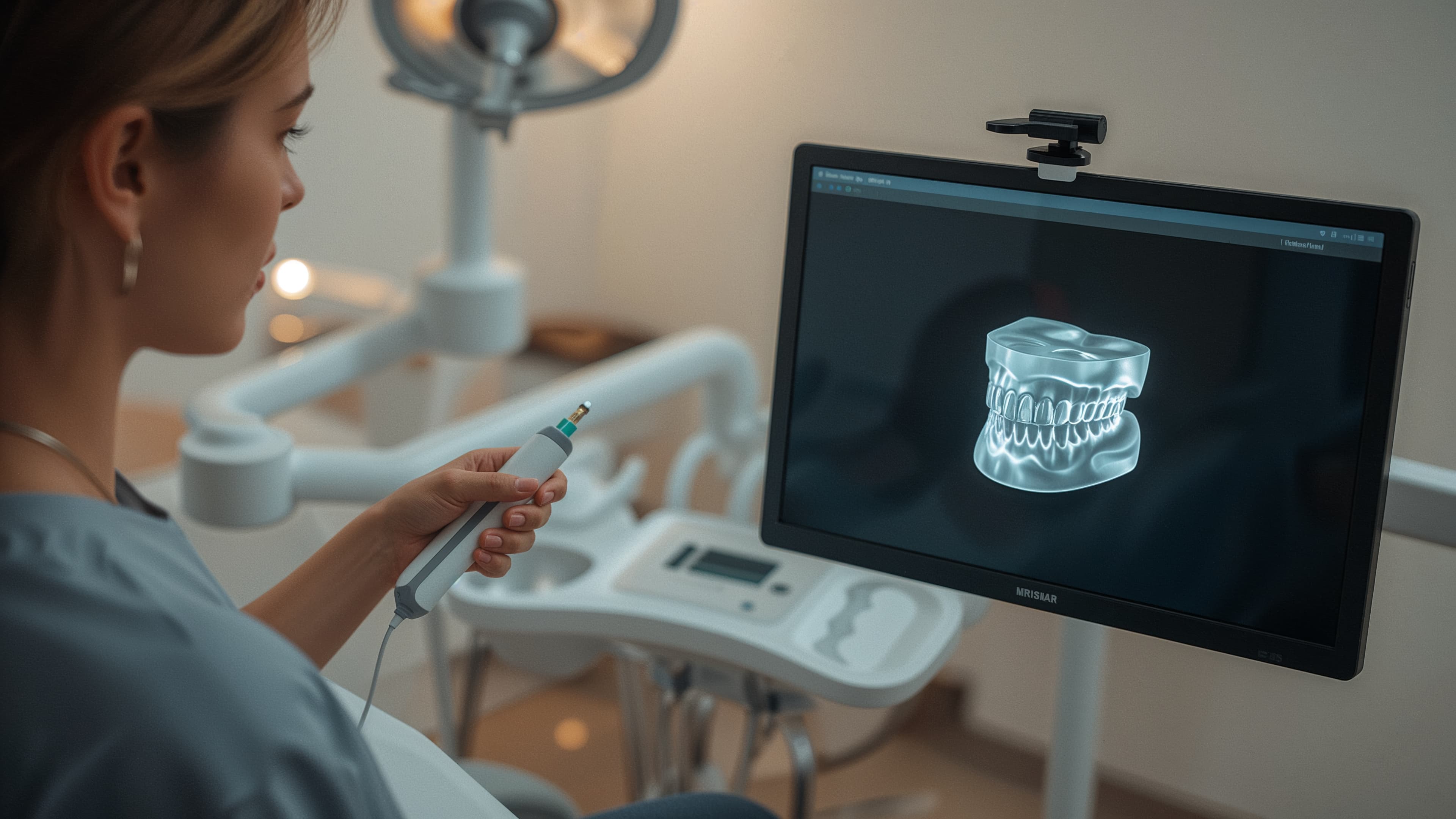
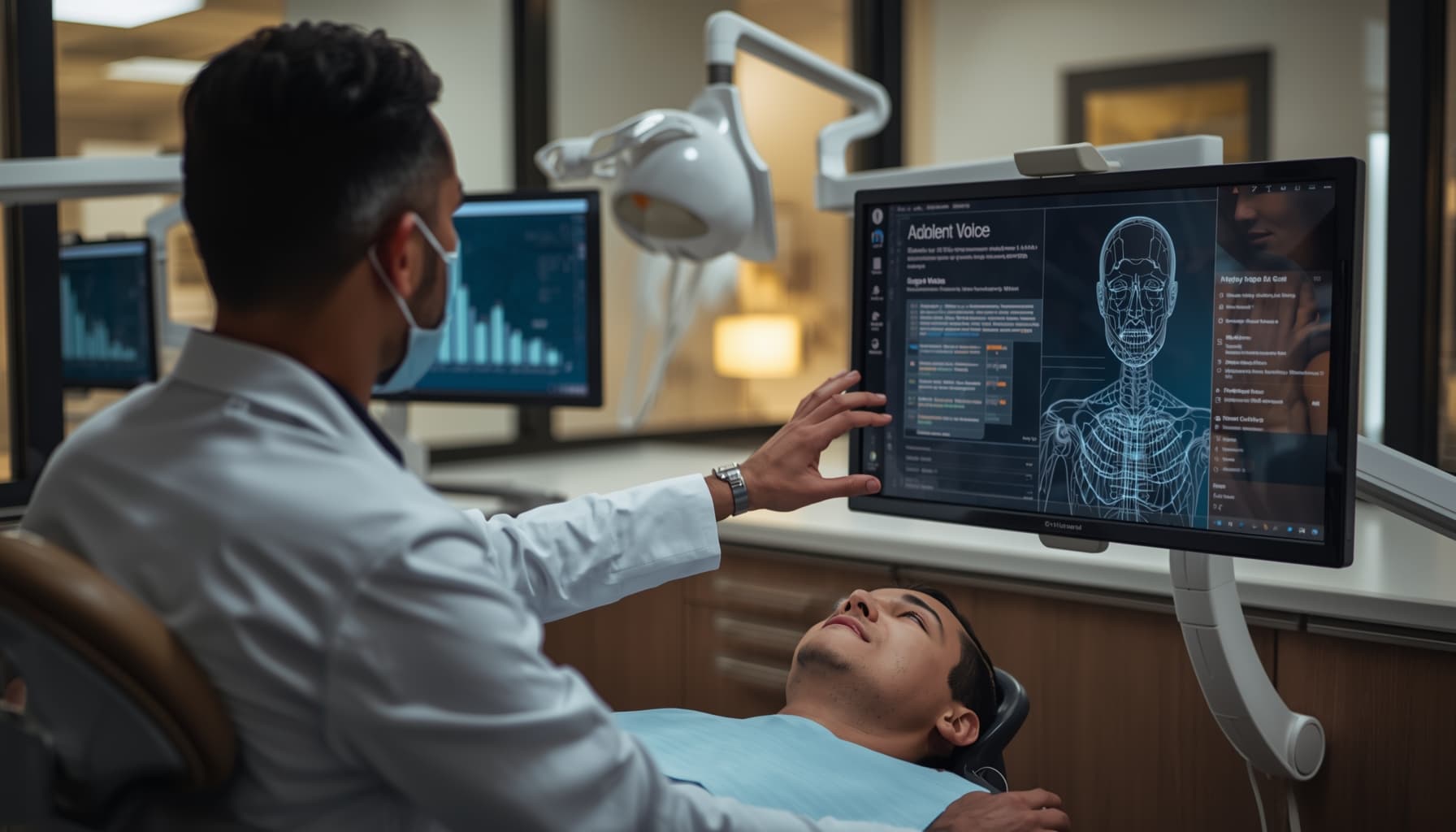
Pearl Voice uses ambient listening technology to capture chairside conversations during appointments. The system processes that audio and outputs structured clinical documentation — including SOAP notes, perio charting, and procedure-specific narratives — directly into supported practice management systems.
The platform ships with over 30 customizable templates covering exams, fillings, crowns, extractions, and other common procedures. Hygienists can record periodontal measurements by voice, eliminating the need for a second team member to manually transcribe probe depths.
"Scribing and charting are essential to high-quality care, but the manual documentation process pulls providers away from the patient and often extends the workday for clinicians," said Ophir Tanz, Pearl's founder and CEO. "Pearl Voice captures the clinical encounter as it happens, making the output more complete and accurate."
The launch positions Pearl Voice alongside competitors like Bola AI in the dental ambient documentation space, though Pearl's integration with its existing diagnostic and practice intelligence ecosystem gives it a distinct advantage.
Why It Matters for Your Practice
Clinical documentation is one of the biggest time drains in dentistry. Research published in BMC Oral Health found that dentists spend an average of 7.1 minutes per patient on clinical note writing alone — and that's on top of the 3.7 minutes spent reading notes before each appointment. A separate analysis from DSM Solutions estimates the average dentist loses 3.2 hours daily to documentation tasks, representing over $127,000 in lost productive time annually.
The documentation burden extends beyond time. A study in BMC Public Health found that patient clinical information was absent anywhere from 9.4% to 87.1% of the time in dental records, suggesting that manual documentation doesn't just consume time — it produces incomplete records that create liability exposure.
Ambient AI documentation addresses both problems simultaneously. By capturing conversations as they happen, the technology aims to produce more complete records while freeing clinicians to focus on the patient in front of them.
Pearl's move is particularly significant because it connects documentation to their existing AI diagnostic platform. A practice running Pearl Second Opinion for radiograph analysis and Pearl Voice for clinical notes would have AI supporting two of the most time-intensive workflows in clinical dentistry — diagnosis and documentation — within a single vendor ecosystem.
TMR Take: Pearl Voice is a logical expansion for a company that has already earned the trust of 23,000-plus practices with its FDA-cleared diagnostic AI. The documentation space is getting crowded, but Pearl's advantage is ecosystem depth: diagnostic AI, practice intelligence, and now clinical notes all under one roof. For practices already using Pearl, Voice is worth a serious look. For practices evaluating dental AI tools for the first time, the bundled value proposition just got stronger.