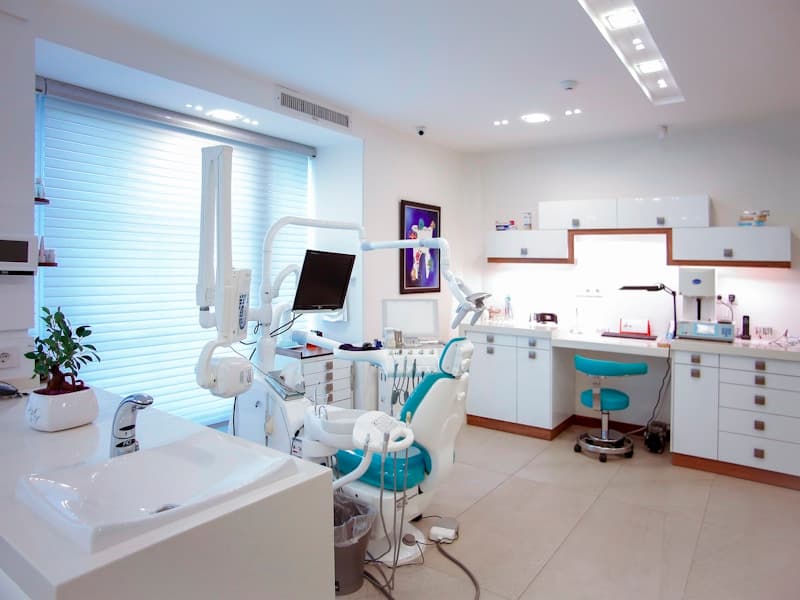
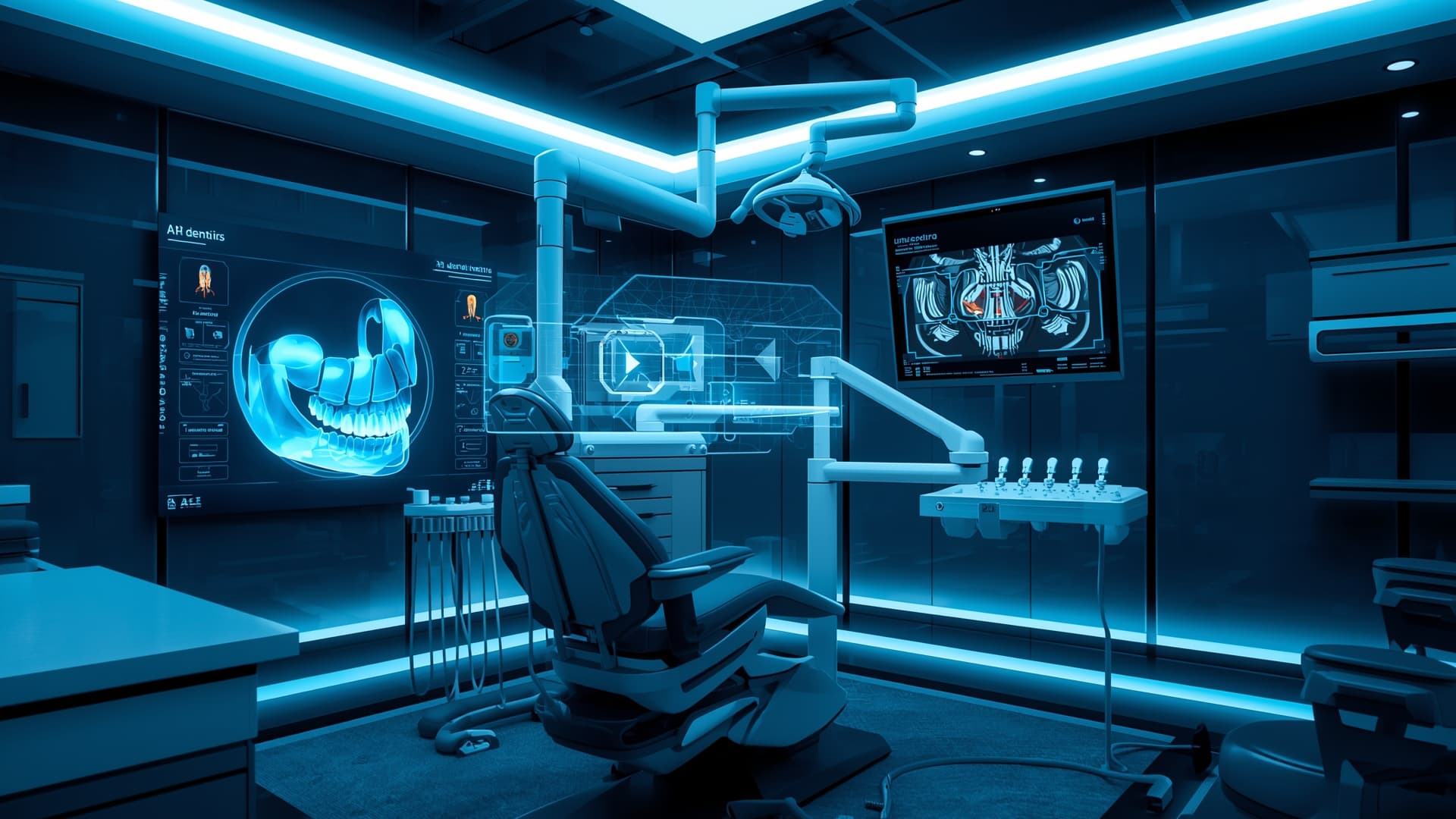
Walk any dental trade show floor in 2026 and every booth promises AI. The louder question — the one that actually matters at 8:05 on a Monday when three lines are ringing — is simpler: what are practices doing with it? The honest answer is that adoption is real but uneven. Industry surveys summarized by Becker's Dental Review put roughly a third of U.S. dentists using at least one AI tool, with about another third considering it; a separate survey reported by DEXIS pegged adoption near 35 percent, and most of those adopters called the experience a positive one. The American Dental Association describes the shift as steadily advancing but uneven — most mature in reading X-rays, and now spreading into the front office.
The same research carries a caveat worth pinning to the wall: Becker's also reported that a sizable share of practices drop an AI tool within about 90 days. AI rarely stalls because the technology is weak; it stalls when a practice bolts on five things at once and none of them fit the way the team already works. Two companion guides cover the terrain — one on what AI is actually available today, and one on the newest autonomous AI agents and what genuinely works. This guide answers the next question: how real practices put AI to work, function by function, without disrupting the workflows your team trusts.
Before You Start
Three quick checks save most of the pain later.
Pick one pain point. Don't shop for "AI." Shop for the single job that drains the most time or revenue — the calls going to voicemail, the hours lost to insurance verification, the recall list nobody has time to work. Fixing one thing well beats half-implementing four.
Confirm it talks to your PMS. The difference between a tool that helps and a tool that creates more work is whether it writes back into your practice management system. Ask, specifically, whether it books and updates directly in Dentrix, Eaglesoft, Open Dental, Denticon, or whatever you run — in real time, not as a task someone re-types later.
Ask for a BAA. Any vendor that touches patient information should sign a Business Associate Agreement before it goes live. If a salesperson can't produce one, that tells you something. (More on why this matters below.)
The Adoption Path, One Function at a Time
You don't have to do all of this. Most practices start at step one or two and grow from there.
-
Answer the phones. The front desk is the natural first move, because a missed call is a missed patient. AI receptionists answer every call around the clock and book the appointment straight into your schedule. Arini is built specifically for dentistry and integrates two-way with the major PMS platforms; Dentina.AI, built by a practicing dentist, applies your real booking rules — providers, operatories, appointment types — before it schedules, rather than leaving a message for staff to chase. Both are company-reported to run 24/7 without per-minute metering.
-
Verify insurance before the visit. Verification is the least glamorous job in the office and one of the best fits for automation. Zuub connects directly to payers and returns procedure-level benefits — frequencies, waiting periods, remaining maximums — automatically, days ahead of the appointment. By the company's own estimate, practices spend 20 to 40 hours a week on this work by hand, and Zuub's users report saving hours a day once it runs in the background.
-
Get a second read on the X-rays. Diagnostic AI is the most clinically mature category, and the right way to use it is as a second opinion, not a verdict. Overjet reads bitewings and periapicals and highlights caries and bone loss for you and the patient to see; the company reports ten FDA clearances (company-reported) and notes that major dental insurers run related technology on the claims side. The dentist still makes the call — the AI just helps make sure nothing subtle gets missed.
-
Automate the schedule. Once calls are handled, the schedule itself can start filling its own gaps. NexHealth writes online bookings into the PMS in roughly 10 to 15 seconds and uses waitlist automation to backfill cancellations; the company reports that most of its bookings happen after the front desk has gone home. For multi-location groups, Rondah AI adds outbound recall and reactivation campaigns to pull lapsed patients back onto the calendar.
-
Keep patients engaged between visits. Engagement is where AI quietly compounds — reminders that cut no-shows, two-way texting that catches the patients you missed, recall nudges that fill next month. Weave folds phones, texting, scheduling, and payments into one platform; its own published research found that one in three calls to a healthcare front desk goes unanswered, and four out of five of those callers were simply trying to book.
-
Document the visit by voice. The newest frontier is ambient documentation — AI that listens to the appointment and drafts the clinical note so the dentist isn't typing after hours. Platform players like Overjet now add voice-powered documentation alongside their imaging tools, and the purpose-built ambient scribes are covered in our AI agents guide. Reach for this once the front-office wins are banked.
Common Mistakes to Avoid
Buying five tools at once. This is the single biggest reason AI pilots stall inside 90 days. Each tool needs setup, training, and a few weeks to earn trust. Add one, let it settle, then add the next — the discipline is worth more than the shopping spree. Our guide on picking one AI tool this quarter walks through how to choose.
Skipping the BAA. Free consumer AI tools and unvetted apps that see patient data without a signed agreement create real exposure. This "shadow AI" problem is common and quiet — see the HIPAA risk hiding inside your practice for what to watch for and how to close it.
Trusting AI unsupervised. The ADA frames these systems as augmented intelligence: they support the clinician, they don't replace judgment. Treat a diagnostic flag as a prompt to look closer, keep a human reviewing what the receptionist booked in the first weeks, and you get the upside without the surprises.
If you're comparing options by category, these independent guides rank what actually works — not paid placements:
- Best dental AI software — the overall landscape
- AI receptionists — answering and booking calls
- AI insurance verification — eligibility and benefits
- AI scheduling — online booking and recall
- AI patient communication — texting and engagement
The Bottom Line
AI in a dental practice isn't one big decision — it's a sequence of small ones, each tied to a job your team already does. Pick the function that hurts most, confirm it writes to your PMS, get the BAA signed, and give it a few weeks before you add the next. Practices that adopt this way tend to keep what they buy; the ones that don't become the 90-day dropouts. When you're ready to compare specific tools, start with our best dental AI software guide, or take our 60-second software match quiz to see what fits your setup.