In Q1 2026, 15% of U.S. dental practices are actively using 3D printing technology in-house. That share has roughly tripled over the past five years. With the global dental 3D printing market projected to reach $10 billion by 2030, this is no longer a niche play for early adopters. The question has shifted from "should I look into 3D printing?" to "which workflows actually justify the investment?"
Here is what general practices need to know right now.
What Happened
Three developments made 2026 the tipping point for in-house 3D printing in dental workflows:
-
Printer prices dropped below $8,000. Entry-level dental-validated systems from Formlabs Dental and SprintRay now start in the $7,500-$9,000 range — roughly half what comparable systems cost in 2023.
-
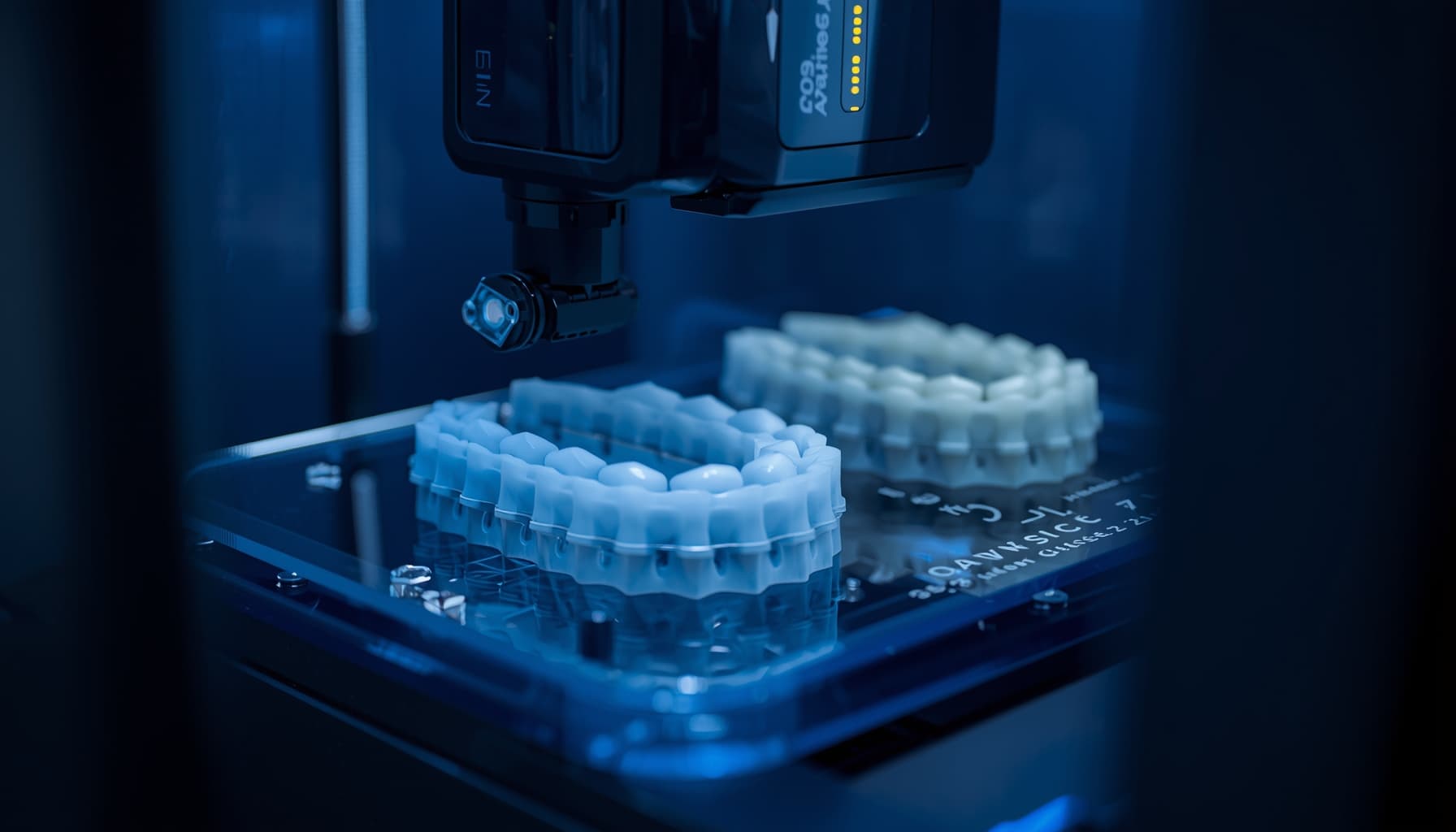
Print speeds increased dramatically. The latest generation of DLP and SLA printers produce surgical guides, night guards, and models in under 30 minutes per unit. Formlabs reports up to 5x speed improvements with their Form 4B platform.
-
FDA-cleared material libraries expanded. Both SprintRay and Formlabs now offer broad validated resin libraries covering splints, surgical guides, temporary crowns, denture bases, and aligner models — all cleared for intraoral use.
Why It Matters for Your Practice
The ROI case for in-house 3D printing comes down to three numbers: lab fees saved, chair time recaptured, and case acceptance rates.
Lab fee reduction. Practices printing night guards, surgical guides, and models in-house report saving 40-60% compared to outsourcing. For a practice fabricating 20+ appliances per month, that adds up quickly.
Faster turnaround. Same-day delivery of surgical guides and occlusal splints eliminates the second appointment entirely. Practices using digital workflows with CAD software like exocad or CEREC can scan, design, and print in a single visit.
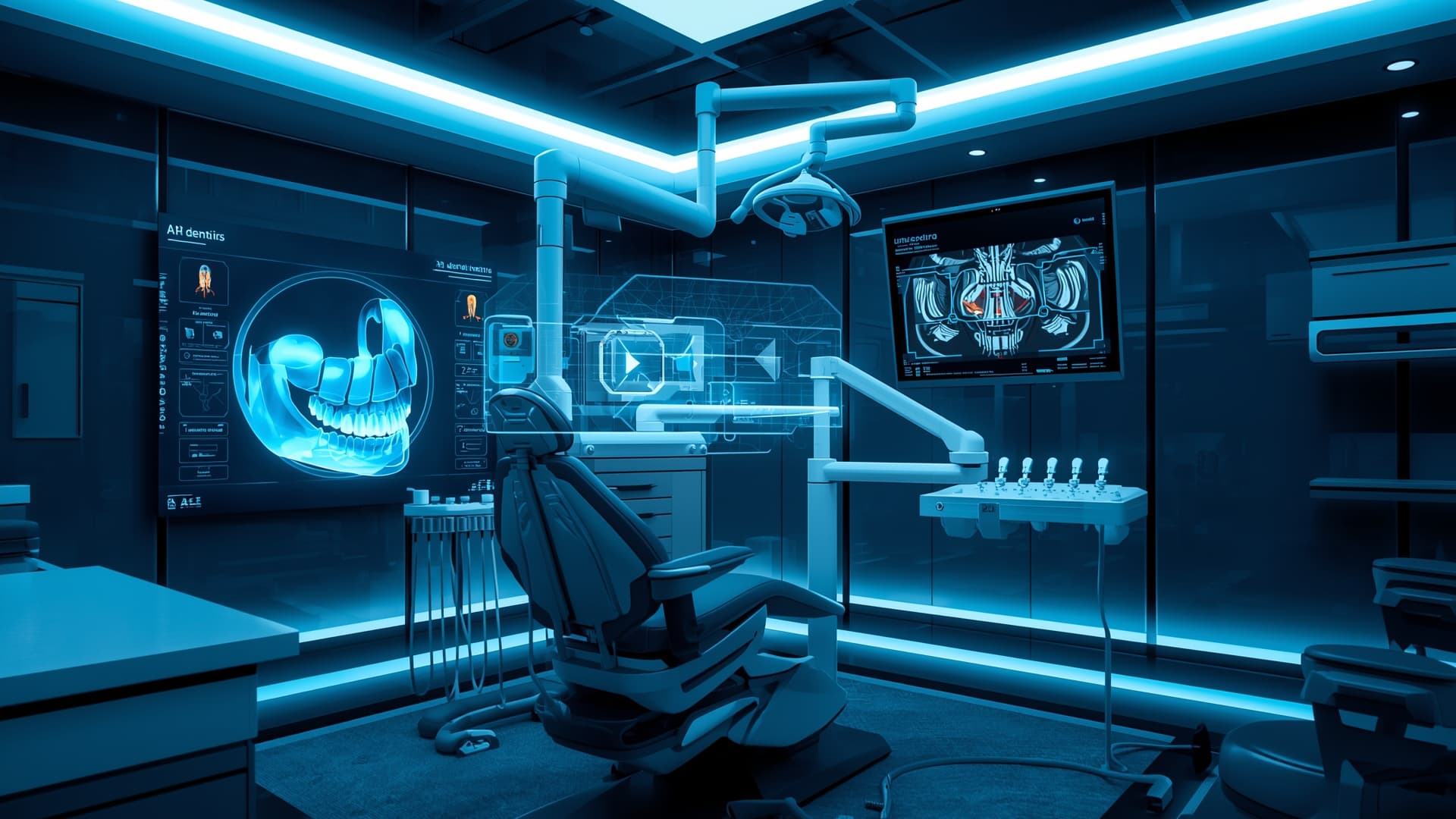
Higher case acceptance. When patients see a physical model of their treatment plan printed in minutes, acceptance rates climb. Practices integrating dental imaging tools with 3D printing report measurable improvements in patient engagement.
However, the math does not work for every practice. If you are printing fewer than 10 appliances per month, the material costs, maintenance, and staff training time may not justify the investment. Most industry data suggests a minimum of 15-20 prints per month to break even within 12-18 months.
TMR Take: 3D printing has crossed the threshold from aspirational to practical for general practices — but only if you start with the right indications. Night guards, surgical guides, and diagnostic models offer the clearest ROI. Same-day crowns and dentures still require significant expertise and a higher equipment investment. Start narrow, track your numbers, and expand from there.
What to Do Now
If you are not printing yet:
- Begin with high-volume, forgiving applications: night guards, splints, and study models
- Budget $8,000-$15,000 for a starter ecosystem (printer, post-processing unit, initial resins)
- Talk to your lab about co-deciding who prints what — you do not want overlapping capacity
- Read our SprintRay review and Formlabs Dental review to compare the two leading ecosystems
If you are already printing:
- Track chair time, remake rates, and lab spend monthly to validate your ROI
- Explore expanding into surgical guides if you place implants, using open-architecture CAD tools or Blue Sky Bio for planning
- Consider whether direct-print aligners make sense for your patient volume
The Bottom Line
In-house 3D printing is no longer a question of "if" for growth-oriented dental practices — it is a question of "when and what." The technology, materials, and price points have matured enough that practices printing 15+ appliances per month can expect a positive return within 12-18 months. Start with the indications that offer the clearest payback, measure everything, and scale from there.