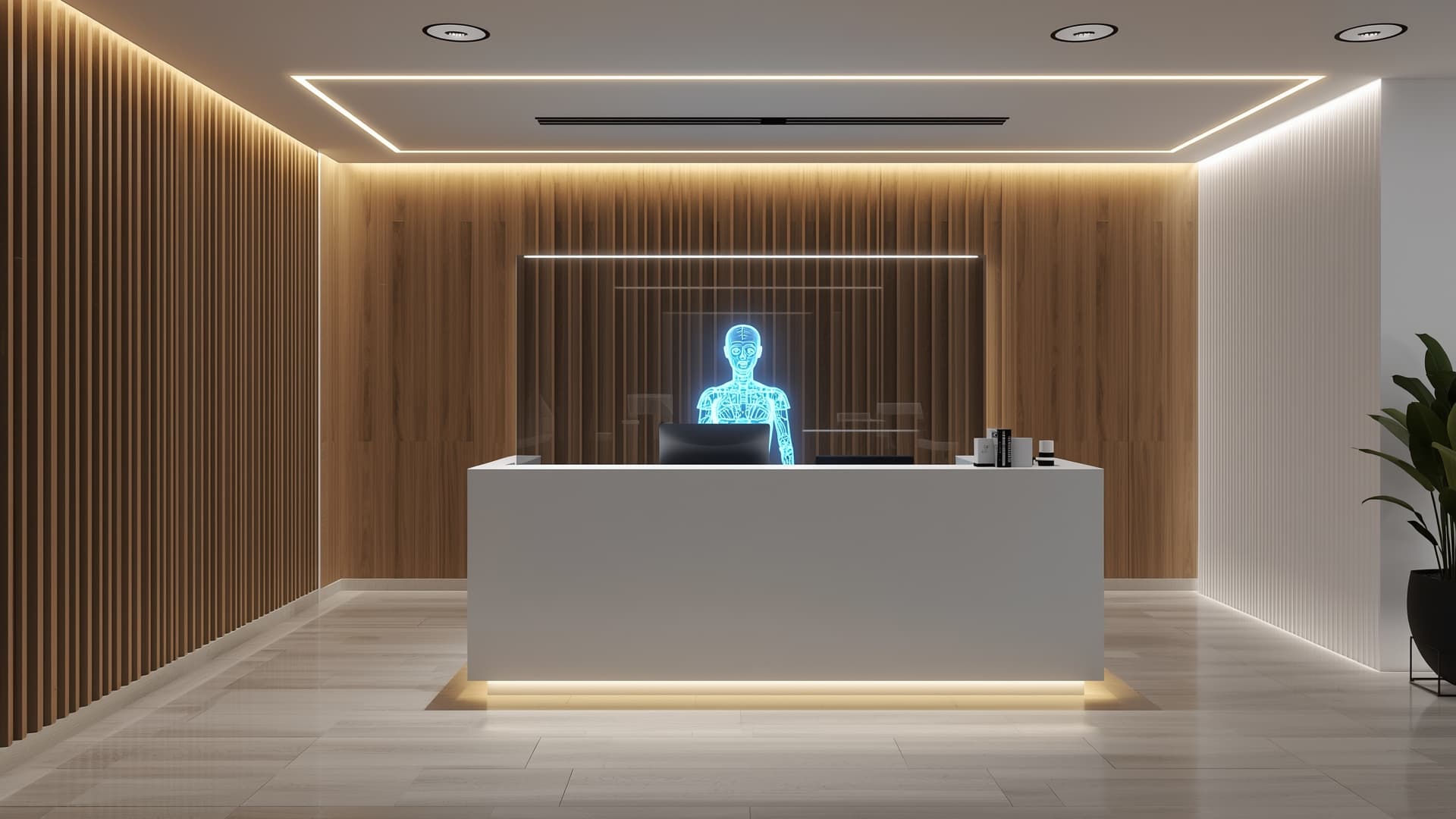
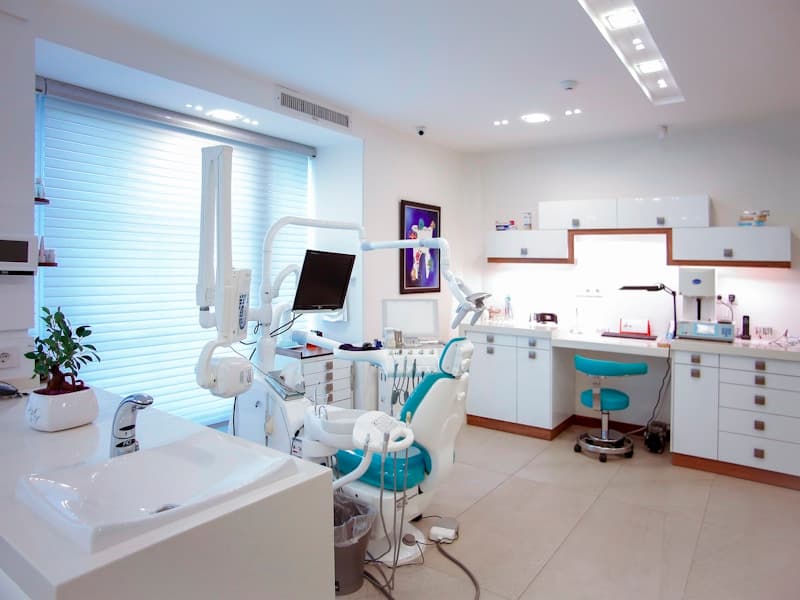
Let's Be Honest About What AI Receptionists Actually Are
Every dental software vendor is slapping "AI" on their product pages right now. The dental AI market has surpassed $3 billion globally in 2026, and companies are racing to grab their slice. But when you strip away the marketing gloss, AI receptionists are essentially smart phone-and-chat systems that handle the repetitive stuff your front desk team does hundreds of times a week: answering calls, booking appointments, responding to FAQs, and chasing down patients who ghosted their recall.
That's not nothing. But it's not Rosie the Robot replacing your office manager, either.
3Shape's 2026 industry analysis puts it well: "The significant new trend in 2026 will be the adoption of AI agents that combine the power of AI foundation models with the ability to act and create 'virtual coworkers' that autonomously plan and execute multistep workflows." Translation: these tools are getting genuinely useful at stringing together multi-step tasks. Booking an appointment isn't just "pick a slot" anymore — it's verifying insurance, checking provider availability, sending a confirmation, and following up if the patient doesn't show.
The Staffing Problem Is Real, and AI Addresses Part of It
Insurance headaches are the number-one challenge for dental practices in 2026. Staffing shortages are number two. If you've tried hiring a front desk coordinator in the last year, you already know the market is brutal. The ADA and every industry survey confirm what you're living: there aren't enough qualified people, and the ones you find cost more than they did two years ago.
AI receptionists don't solve the hiring crisis. But they do take pressure off the people you've already got. The data shows AI-powered systems reduce administrative burden by up to 40% through automated insurance verification and patient communication. That's significant. Your best front desk person shouldn't be spending her day confirming that yes, you do accept Delta Dental PPO.
Here's where we see real, measurable value:
Missed call capture. This is the killer feature, full stop. Most practices miss 20-30% of incoming calls. Every missed call is a potential new patient walking to the practice down the street. AI receptionists pick up when your staff can't — during lunch, after hours, when three patients are standing at the checkout desk simultaneously. They handle the full conversation, book the appointment, and hand off a summary.
No-show reduction. Practices using AI-driven reminders see no-show rates drop 25-40%. When your average hygiene appointment generates $200-350 in revenue, filling even a few empty slots per week adds up to tens of thousands annually.
After-hours booking. Patients Google dentists at 10pm. If your website says "call during business hours," you've already lost them to the practice with an AI chat widget that books them on the spot.
Payment collection and insurance verification. Some systems now handle payment reminders and basic insurance checks without a human touching anything. This is where that 40% admin reduction comes from.
The Players Worth Knowing
We're tracking four platforms doing interesting work here:
Weave has a dedicated "AI Receptionist" product that books appointments, answers FAQs, and takes payments. It's the most full-featured option we've seen for practices that want a single vendor handling phones, texting, and AI.
Adit takes a different angle with "AI Call Intelligence" — it listens to your actual phone calls, recovers missed bookings, automates follow-ups, and flags unhappy patients before they leave a one-star Google review. If call analytics matter to you, Adit is worth a demo.
Dental Intelligence focuses on schedule optimization with "Smart Schedule & Patient Finder." It auto-identifies the best patients to fill cancellation gaps. Less of a receptionist, more of a scheduling brain.
RevenueWell offers an "AI Virtual Assistant" for scheduling and verification. Solid if you're already in their ecosystem.
Where the Hype Outpaces Reality
Speech recognition for clinical notes and auto-updating patient charts is emerging, but it's early. Most AI receptionists handle structured, predictable interactions well — appointment booking, FAQ answering, basic routing. Throw a complicated insurance question at them, or a patient who's upset about a billing error, and they fall apart fast.
Becker's Dental nailed it: "The emerging trend in 2026 will not be replacement, but evolved expectations of their roles as AI is integrated into their workflows." The practices getting burned are the ones who buy an AI receptionist expecting to cut headcount. That's not how this works. Your staff still needs to handle the messy, emotional, judgment-heavy situations. AI handles volume so your humans can handle complexity.
Our Take: Where to Start
If you're evaluating AI receptionist tools, focus on the fastest ROI opportunities first:
- Missed call capture — if you're missing more than 15% of calls, this pays for itself in weeks.
- Automated reminders and no-show reduction — easy to measure, easy to prove value.
- After-hours scheduling — especially if you're in a competitive market where patients have options.
Don't start with the flashy stuff. Start with the math. Count your missed calls for a month. Calculate your no-show rate. Figure out what a 30% improvement in either number means for your bottom line. Then pick the tool that solves your biggest leak.
The human touch still matters enormously in dental practices. Patients want to feel heard by a person when they're nervous about a procedure or frustrated about a bill. But they don't need a person to confirm their Tuesday cleaning. Let the AI handle the predictable, and let your team handle the personal.
The Bottom Line
AI receptionists are a genuine productivity tool for dental practices in 2026 — not a gimmick, and not a silver bullet. The practices seeing the best results are the ones treating these systems as supplements to their team, not replacements. Start with one clear problem (missed calls, no-shows, after-hours gaps), measure the impact, and expand from there.
The staffing crisis isn't going away. Neither is patient demand for instant, always-on communication. AI receptionists sit right at that intersection, and the tools have gotten good enough that ignoring them means leaving money on the table.